
Tired of sky-high energy bills and that nagging feeling you could be doing more for the planet? Many homeowners are exploring solar energy as a way to reduce their carbon footprint and lock in long-term energy savings. But the big question lingers: Are solar panels renewable? Clearing up the confusion is crucial to making informed decisions about your energy future.
Understanding whether solar panels are truly renewable is vital for households looking to budget effectively, reduce reliance on traditional energy sources, and contribute to a healthier environment. Solar energy isn't just a trend; it’s a long-term investment in your home's value and the well-being of future generations. Plus, knowing the facts can unlock potential savings through government incentives and energy efficiency programs.
Consider this simple step toward greater energy awareness: take a close look at your energy bill today. Understanding your current consumption habits is the first step to identifying areas where solar energy – and other efficiency upgrades – can make a real difference.
Unveiling the Truth: Are Solar Panels Renewable?
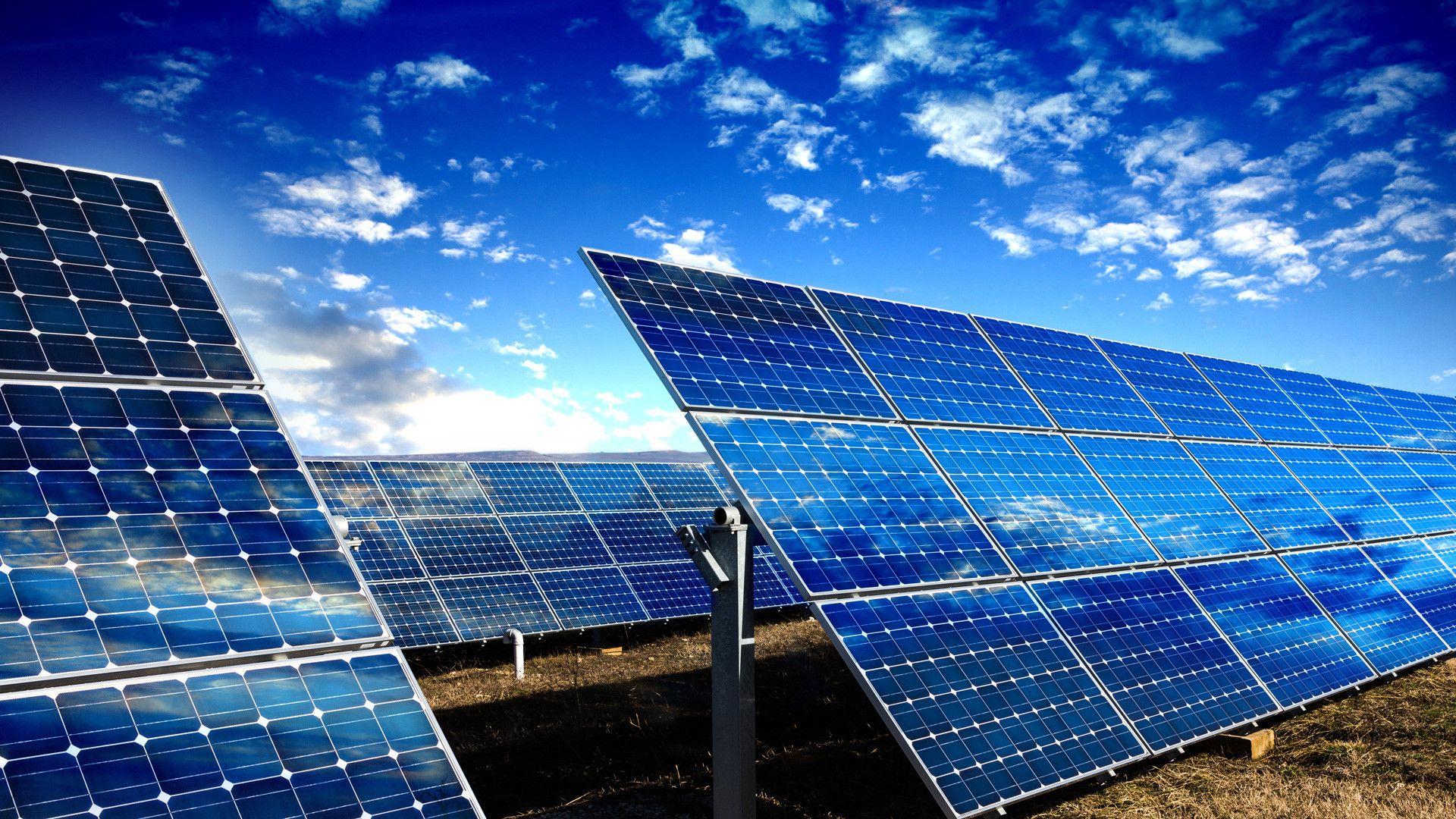
Yes, solar panels harness energy from the sun, a virtually inexhaustible resource, making them a key component of renewable energy systems. Sunlight strikes the photovoltaic (PV) cells within the panels, creating an electrical current. This electricity can then power your home, reducing or even eliminating your reliance on fossil fuel-based energy from the grid. While the panels themselves require manufacturing, the energy source they utilize is constantly replenished, setting them apart from finite resources like coal and natural gas. Solar energy also produces minimal emissions after the panels are installed and functioning, further bolstering its renewable classification.
The Life Cycle of a Solar Panel: A Deeper Look
It’s important to acknowledge that solar panels aren't renewable in the same way sunlight is. Manufacturing solar panels requires energy and resources. Key components like silicon, glass, and metals must be extracted and processed. This process does have an environmental impact, although ongoing technological advancements are continually reducing the energy footprint of panel manufacturing. Additionally, panels have a lifespan, typically 25-30 years, after which they need to be recycled or disposed of.
What Happens When Solar Panels Reach the End of Their Life?
As solar panels age and become less efficient, or reach their end-of-life, responsible disposal and recycling are paramount. Thankfully, the solar panel recycling industry is rapidly growing. Many companies now offer specialized services to recover valuable materials from old panels, including silicon, aluminum, and glass. This process prevents these materials from ending up in landfills and allows them to be reused in new products, further minimizing the environmental impact of solar energy. Look for certified recyclers in your area to ensure proper handling of your old panels.
The Energy Payback Period: How Long to Break Even?
The "energy payback period" refers to the time it takes for a solar panel system to generate the same amount of energy that was required to manufacture it. This period is typically between 1 and 4 years, depending on factors like panel efficiency, location, and the amount of sunlight received. Once the system has paid back its energy debt, it continues to generate clean, renewable energy for the remainder of its lifespan, offering a significant net benefit to the environment.
Beyond Renewable: Solar's Impact on Home and Community
Installing solar panels offers a range of benefits that extend beyond their renewable nature. Homeowners can significantly reduce their monthly electricity bills, often eliminating them entirely. In many regions, net metering programs allow you to send excess solar energy back to the grid, earning credits on your bill. This can lead to substantial long-term savings and a faster return on your investment.
Solar panels also increase your home's value. Potential buyers are increasingly attracted to homes with built-in solar energy systems, viewing them as a valuable asset that can lower their ongoing expenses. Furthermore, solar energy reduces your reliance on the traditional power grid, making your home more resilient during power outages, especially when paired with battery storage.
Beyond individual benefits, solar energy contributes to a cleaner, more sustainable community. By reducing the demand for fossil fuel-based energy, solar helps lower greenhouse gas emissions and improve air quality. It also supports the growth of a green energy economy, creating jobs and fostering innovation in the renewable energy sector.
Navigating Energy Assistance and Saving Opportunities
If the upfront cost of solar panels seems daunting, explore the various financial incentives and assistance programs available. Federal tax credits, state rebates, and local grants can significantly reduce the initial investment. Many utility companies also offer incentives for installing solar panels and other energy efficiency upgrades.
For low-income households, programs like the Low Income Home Energy Assistance Program (LIHEAP) can provide financial assistance with energy bills. Contact your local LIHEAP office to determine your eligibility and learn about available resources. Additionally, weatherization assistance programs offer free or low-cost home improvements, such as insulation and air sealing, to help reduce energy consumption and lower bills. Your local community action agency can provide information about these programs.
Don't overlook simple, cost-effective energy-saving measures you can implement today. Switching to LED lighting, sealing drafts around windows and doors, and using a programmable thermostat can all contribute to significant savings. Regularly maintaining your HVAC system and ensuring proper insulation are also crucial for optimizing energy efficiency.
If you notice unusually high energy bills, frequent drafts, or inconsistent temperatures in your home, it's essential to investigate further. Leaky ducts, inadequate insulation, and inefficient appliances can all contribute to energy waste. Consider scheduling a professional energy audit to identify problem areas and receive personalized recommendations for improvement. Addressing these issues not only saves energy but also improves your overall comfort and well-being at home.
Frequently Asked Questions About Solar Panels and Renewability
Are solar panels completely environmentally friendly?
While solar panels are a renewable energy source with a significantly lower environmental impact than fossil fuels, the manufacturing process does require energy and resources. However, advancements in recycling and manufacturing are continually reducing this impact, and the long-term benefits of clean energy outweigh the initial environmental costs.
How do I know if my home is suitable for solar panels?
The best way to determine if your home is suitable for solar panels is to consult with a qualified solar installer. They will assess factors like roof orientation, shading, and energy consumption to determine the potential savings and feasibility of installing a solar energy system.
What are the maintenance requirements for solar panels?
Solar panels require minimal maintenance. Typically, they need to be cleaned a few times a year to remove dirt and debris. In areas with heavy snowfall, it may be necessary to clear snow from the panels to maintain optimal performance. Most systems come with a monitoring system that allows you to track their performance and identify any potential issues.
Can solar panels work on cloudy days?
Yes, solar panels can still generate electricity on cloudy days, although at a reduced output. The amount of energy produced will depend on the thickness of the cloud cover. Even on overcast days, solar panels can generate a significant portion of your energy needs.
What happens if my solar panels generate more electricity than I need?
In many regions, net metering programs allow you to send excess solar energy back to the grid, earning credits on your electricity bill. These credits can then be used to offset your energy consumption during times when your solar panels are not generating enough electricity, such as at night.
How long do solar panels last?
Most solar panels come with a 25-30 year warranty, guaranteeing a certain level of performance over that period. While the output may gradually decrease over time, solar panels can continue to generate electricity for many years beyond their warranty period.
Take the next step toward a brighter, more sustainable future. Explore your solar energy options today and discover how you can reduce your energy bills, increase your home's value, and contribute to a cleaner planet. Contact a local solar installer to get a personalized quote and learn about the incentives available in your area.

Post a Comment