
Tired of unpredictable energy bills that spike with the seasons? Solar energy might be the solution you're looking for, offering a way to take control of your energy costs. But a common question arises when considering this option: Is solar energy renewable or nonrenewable? The answer hinges on understanding the source of its power – the sun – and how we convert that power into electricity for our homes.
Understanding the answer to "Is solar energy renewable or nonrenewable?" is essential for homeowners and renters alike. Knowing the environmental impact and long-term viability of your energy sources allows you to make informed decisions that benefit both your wallet and the planet. Making smart energy choices directly translates into lower monthly bills, a smaller carbon footprint, and a more comfortable living environment.
Consider checking your home's insulation this weekend. A poorly insulated attic or walls can leak heat in the winter and let in unwanted heat in the summer, driving up your energy consumption significantly. Sealing any noticeable drafts can make a noticeable difference, often saving you 10-20% on your heating and cooling costs.
Is Solar Energy Renewable or Nonrenewable? Breaking Down the Science
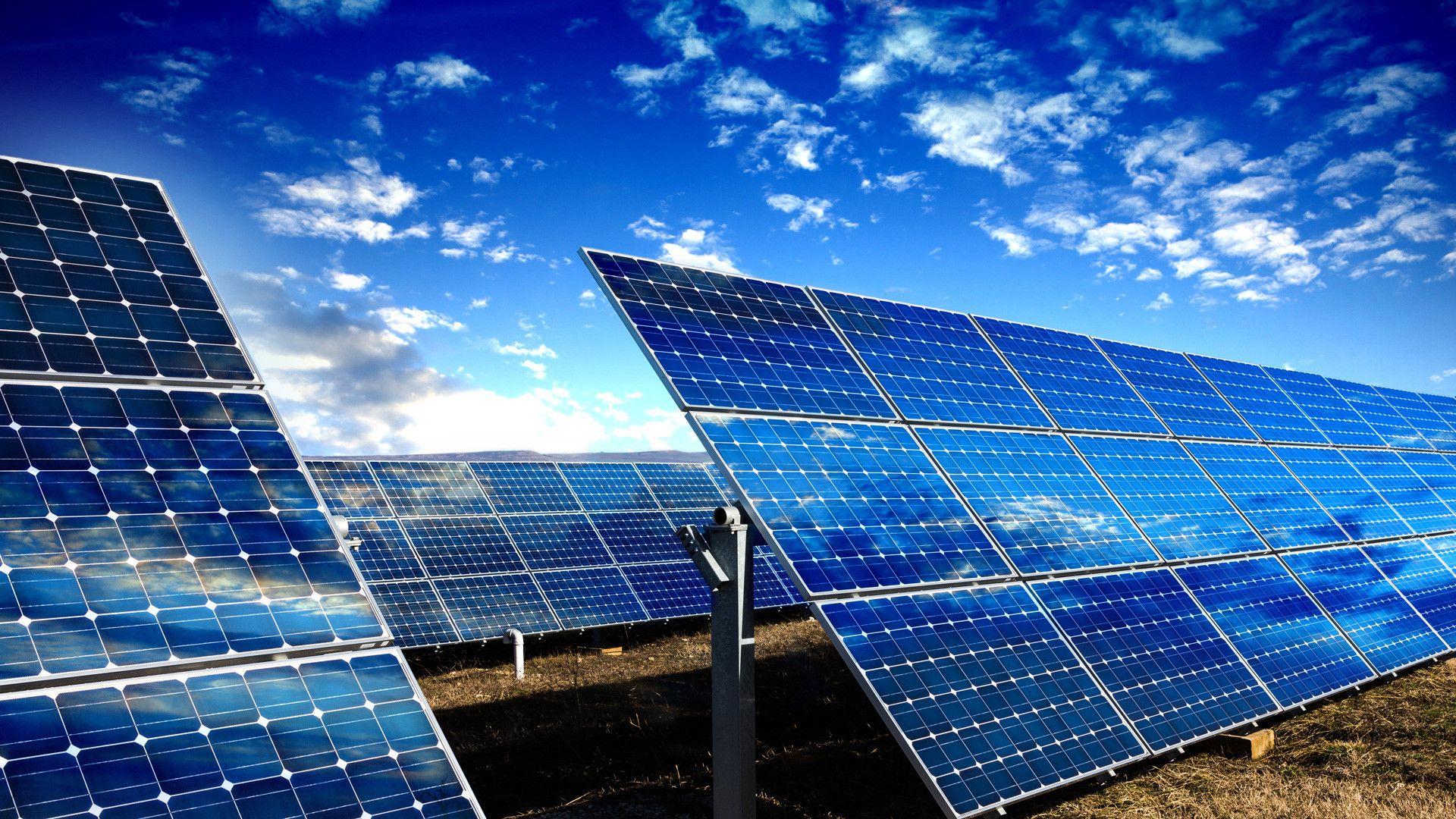
Solar energy is, without a doubt, a renewable energy source. But to truly grasp why, let's delve into the science of how solar energy works and how it differs from nonrenewable sources like coal, oil, and natural gas. Unlike fossil fuels, which are finite resources extracted from the earth, solar energy taps into a resource that is constantly replenished: sunlight. Solar panels, composed of photovoltaic (PV) cells, convert sunlight directly into electricity through the photovoltaic effect. These cells absorb photons (light particles) from the sun, which then dislodge electrons in the silicon material of the panel. This movement of electrons creates an electric current, which can then be used to power your home.
The key here is that the sun’s energy is virtually inexhaustible on a human timescale. While the sun will eventually burn out billions of years from now, for all practical purposes, it provides a constant and immense source of energy. This makes solar power a sustainable choice, meaning it can be used without depleting the Earth’s resources or causing long-term environmental damage.
Why Does the “Renewable” Label Matter?
Understanding that solar energy is renewable has implications beyond just lower utility bills. Choosing renewable energy sources like solar helps reduce our reliance on fossil fuels, which are a major contributor to greenhouse gas emissions and climate change. Every kilowatt-hour (k Wh) of electricity generated from solar power displaces a k Wh that would otherwise be generated from a fossil fuel power plant. This reduction in fossil fuel consumption leads to cleaner air, reduced pollution, and a healthier environment for everyone.
The Solar Panel Manufacturing Process: A Nonrenewable Component?
While the sunlight itself is renewable, some argue that the manufacturing process of solar panels involves the use of nonrenewable resources. This is a valid point. The production of solar panels requires raw materials like silicon, aluminum, and various metals, and the manufacturing process can be energy-intensive. However, the energy payback time for solar panels – the time it takes for a solar panel to generate the same amount of energy used in its production – is typically only 2-4 years. After that payback period, the solar panel continues to generate clean, renewable energy for decades, significantly offsetting the initial environmental impact of its production. Furthermore, ongoing advancements in solar panel technology are focused on using more sustainable materials and reducing the energy required for manufacturing.
Recycling Solar Panels: Closing the Loop
Another important consideration is the end-of-life management of solar panels. As solar panels reach the end of their lifespan (typically 25-30 years), it’s crucial to have effective recycling processes in place to recover valuable materials and prevent environmental contamination. Solar panel recycling technologies are rapidly improving, allowing for the recovery of a high percentage of materials like silicon, aluminum, and glass, which can then be reused in new solar panels or other products. This helps to minimize the environmental impact of solar energy and create a more circular economy.
Beyond the Panels: Making Solar Energy Work for You
While the core of solar energy revolves around photovoltaic cells, several other factors play a role in maximizing its benefits and ensuring its accessibility for homeowners. Let's explore some additional aspects: Net Metering:Many utility companies offer net metering programs, which allow homeowners with solar panels to receive credit on their electricity bills for the excess electricity they send back to the grid. This means that if your solar panels generate more electricity than you need, you can essentially sell the extra power back to the utility company, further reducing your energy costs. Contact your local utility to inquire about net metering options in your area.
Solar Batteries: To increase energy independence and ensure access to electricity even during power outages, consider pairing your solar panels with a battery storage system. Solar batteries store excess energy generated during the day, which can then be used at night or during periods of low sunlight. Battery technology has advanced significantly in recent years, making it a more affordable and practical option for many homeowners.
Community Solar: If installing solar panels on your roof isn't feasible due to shading, roof orientation, or other factors, consider participating in a community solar program. Community solar projects involve large-scale solar arrays that serve multiple homes or businesses in a community. Participants can subscribe to a portion of the solar array and receive credit on their electricity bills for the energy generated by their share.
Energy Assistance Beyond Solar: Saving Money and Staying Comfortable
While considering options like solar energy, remember to take advantage of programs that can help you immediately lower energy costs, regardless of your energy source. These programs offer valuable support for eligible households: Low Income Home Energy Assistance Program (LIHEAP):LIHEAP provides financial assistance to low-income households to help with heating and cooling costs. Eligibility requirements vary by state, but typically consider income, household size, and energy burden. Contact your local LIHEAP office to learn more about eligibility and how to apply.
Weatherization Assistance Program (WAP): WAP provides free energy efficiency upgrades to low-income homeowners. These upgrades can include insulation, air sealing, window and door replacements, and heating system repairs or replacements. WAP is a great way to improve the energy efficiency of your home and lower your energy bills for years to come. Contact your state or local WAP agency for more information.
Utility Company Assistance Programs: Many utility companies offer their own assistance programs for low-income customers, such as payment plans, bill discounts, and energy efficiency audits. Contact your utility company to see what programs are available in your area.
These programs are designed to ensure everyone has access to safe, affordable energy, helping improve quality of life and contributing to healthier communities.
Identifying Energy Drains: Signs You Need a Checkup
Being proactive about energy efficiency starts with identifying areas where you might be losing energy. Here are some common signs that your home could benefit from an energy audit or upgrade: High Energy Bills:If your energy bills are consistently higher than average, especially during peak heating and cooling seasons, it could indicate a problem with your home's energy efficiency.
Drafts: Feeling drafts near windows, doors, or walls is a clear sign that air is leaking out of your home.
Uneven Temperatures: If some rooms in your home are significantly colder or hotter than others, it could indicate poor insulation or inefficient heating and cooling systems.
Condensation on Windows: Condensation on windows can be a sign of high humidity and poor ventilation, which can lead to mold growth and other problems.
Old or Inefficient Appliances: Old appliances can consume significantly more energy than newer, energy-efficient models.
Address these issues promptly to improve your home's comfort, lower your energy bills, and reduce your environmental impact.
FAQ About Solar Energy
Will solar panels work on cloudy days?
Yes, solar panels still generate electricity on cloudy days, although at a reduced rate. The amount of electricity generated will depend on the thickness of the cloud cover, but even on overcast days, solar panels can still produce a significant amount of power.
How long do solar panels last?
Most solar panels come with a 25-30 year warranty, and many can continue to generate electricity beyond that timeframe, albeit at a slightly reduced efficiency. Proper maintenance can extend the lifespan of your solar panels.
Are there any tax credits or incentives for installing solar panels?
Yes, both federal and state governments often offer tax credits, rebates, and other incentives to encourage homeowners to install solar panels. The federal solar tax credit allows you to deduct a percentage of the cost of your solar panel system from your federal taxes. Check with your state and local governments for additional incentives that may be available in your area.
How much does it cost to install solar panels?
The cost of installing solar panels varies depending on the size of the system, the type of panels used, and the installation costs in your area. However, the cost of solar panels has decreased significantly in recent years, making it a more affordable option for many homeowners. Getting quotes from multiple installers is highly recommended.
Do solar panels require a lot of maintenance?
Solar panels require very little maintenance. Typically, you only need to clean them a few times a year to remove dirt and debris. In areas with heavy snow, snow removal might be necessary to maintain optimal performance. A professional inspection every few years can also help ensure that your system is functioning properly.
Can I use solar energy if I live in an apartment?
While you may not be able to install solar panels on your own apartment building, you can still benefit from solar energy through community solar programs or by purchasing electricity from a utility company that offers a renewable energy option.
Choosing solar energy is more than just a switch to a new power source; it's a commitment to sustainability and a more secure energy future. Take the first step today by researching solar installers in your area and requesting a free quote. Explore available incentives and financing options to make solar energy an accessible and affordable option for your home. You could also explore quick ways to save energy around your home while you research solar options.

Post a Comment