
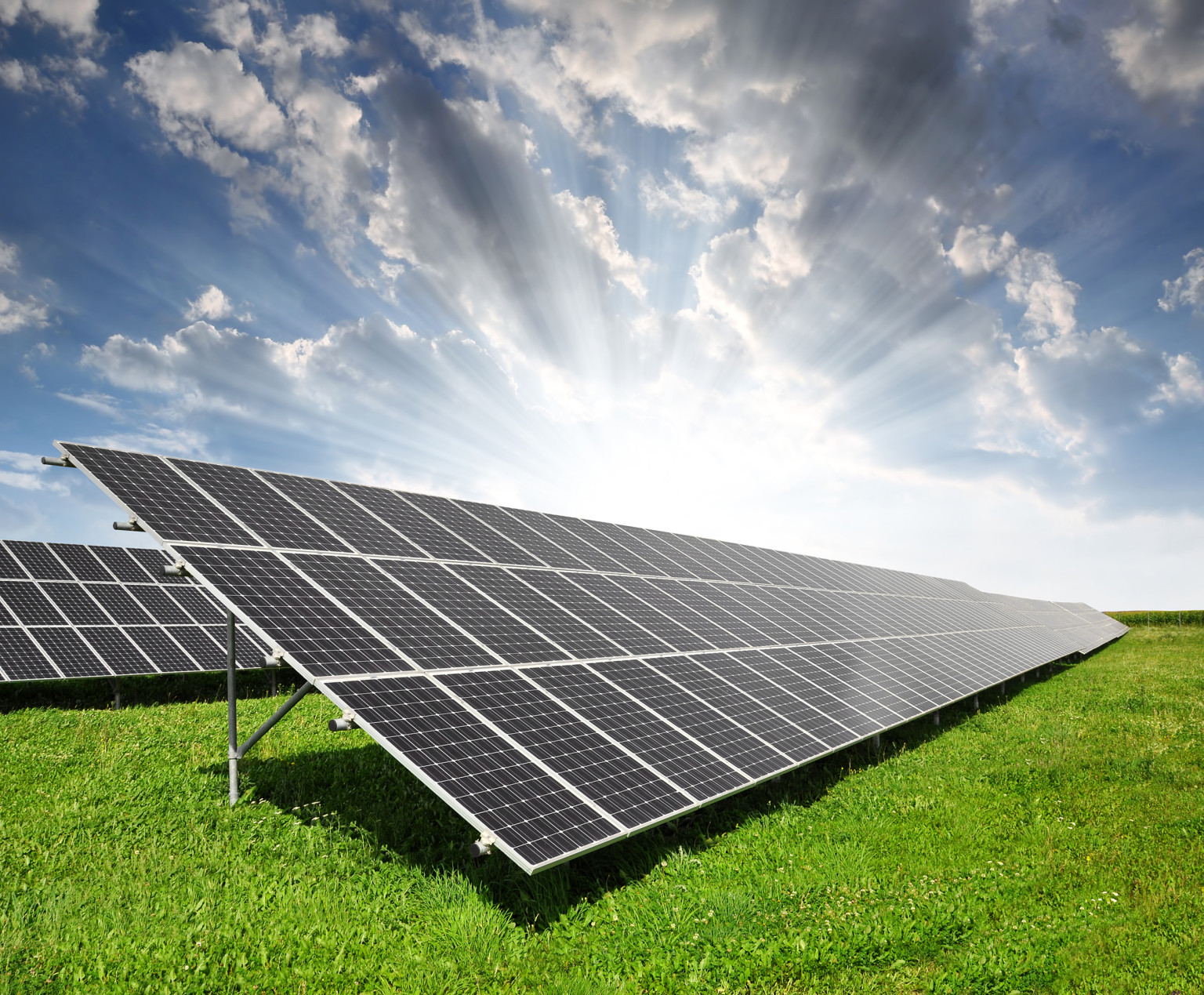
Tired of seeing your apartment utility bills spike, especially during peak summer or winter months? For renters, accessing the benefits of renewable energy like solar can feel out of reach, but the good news is that options do exist. While rooftop solar panels may not be feasible for every apartment dweller, exploring alternative solar solutions tailored to renters and shared living spaces can unlock savings and contribute to a greener lifestyle.
Rising energy costs put a strain on household budgets, and understanding how to reduce your consumption is more important than ever. Beyond the financial benefits, energy efficiency contributes to a more sustainable future. By making informed choices about your energy usage, you can create a more comfortable and affordable living environment.
Before we dive in, here’s a quick and easy tip you can implement today: switch to LED light bulbs. They use up to 75% less energy and last significantly longer than traditional incandescent bulbs. This simple change can make a noticeable difference on your next energy bill.
Exploring Solar Power for Apartments
Solar power isn't just for homeowners anymore! There are viable options for renters and those living in shared spaces who want to tap into this renewable energy source. The key is to focus on solutions that don't require permanent alterations to the property.
Let's examine some practical approaches to bringing solar energy into your apartment life. These options range from portable devices to community-based initiatives.
Portable Solar Chargers
For smaller energy needs, portable solar chargers are an excellent starting point. These devices use small solar panels to capture sunlight and convert it into electricity, which can then be used to charge smartphones, tablets, power banks, and other USB-powered devices. They're perfect for charging your electronics without relying solely on grid electricity.
Look for portable solar chargers with a high conversion efficiency rating. This indicates how effectively the panels convert sunlight into electricity. Also, consider the size and portability of the charger, especially if you plan to use it while traveling or outdoors. Some models even come with built-in power banks for storing energy for later use.
Community Solar Programs
Community solar programs represent a more significant investment in solar energy, but they don't require you to install anything on your apartment building. These programs involve subscribing to a portion of a larger solar farm located elsewhere in your community. The energy generated by the solar farm is fed into the grid, and you receive credits on your electricity bill based on your share of the solar farm's output.
To find community solar programs in your area, search online for "community solar [your state]" or contact your local utility company. They can provide information about available programs and eligibility requirements. Make sure to carefully review the terms and conditions of any community solar subscription before signing up. Consider factors like contract length, monthly fees, and the guaranteed savings on your energy bill.
Window Solar Panels
Window solar panels are designed to attach to your apartment windows and generate electricity from sunlight. They are smaller than traditional rooftop panels and are often designed for easy installation and removal. While they won't power your entire apartment, they can contribute to your overall energy savings by powering small appliances or charging electronic devices.
When selecting window solar panels, consider the size and number of panels that will fit comfortably on your windows. Check the power output of the panels to ensure they meet your energy needs. Also, look for panels with a secure mounting system that won't damage your windows. Placement matters; south-facing windows generally receive the most sunlight.
Reducing Your Overall Energy Consumption
Even with solar solutions, minimizing your energy consumption is crucial for maximizing savings and reducing your environmental impact. Here are a few practical steps you can take.
Assess your appliances: Older appliances can be energy hogs. Consider upgrading to Energy Star certified models when replacing refrigerators, washing machines, dishwashers, or air conditioners.
Unplug electronics when not in use: Many electronics continue to draw power even when they're turned off. Use power strips to easily switch off multiple devices at once.
Adjust your thermostat: Set your thermostat a few degrees higher in the summer and lower in the winter. Even small adjustments can make a big difference. If your apartment allows it, install a smart thermostat for programmable control and energy-saving features.
Seal drafts: Check for drafts around windows and doors. Use weather stripping or caulk to seal any gaps and prevent heat loss or gain.
Understanding Utility Assistance Programs
If you're struggling to afford your energy bills, several utility assistance programs can help. The Low Income Home Energy Assistance Program (LIHEAP) provides financial assistance to help eligible households pay for heating and cooling costs.
To apply for LIHEAP, contact your local LIHEAP office or visit the website of your state's human services agency. Eligibility requirements vary by state, but typically include income guidelines.
Many utility companies also offer their own assistance programs, such as payment plans, energy efficiency rebates, and weatherization services. Contact your utility company directly to inquire about these programs. They may also offer resources for energy audits, which can identify areas where you can improve your home's energy efficiency.
Addressing Energy-Related Issues in Your Apartment
Living in an apartment means you're often reliant on your landlord to address certain energy-related issues, but you can still take proactive steps.
Report drafts and leaks: Inform your landlord about any drafts around windows and doors, as well as any water leaks, as these can impact your energy bills.
Request insulation upgrades: If your apartment is poorly insulated, ask your landlord about the possibility of adding insulation to walls and ceilings.
Communicate about HVAC issues: If your heating or cooling system is malfunctioning, notify your landlord immediately to schedule repairs.
By communicating effectively with your landlord and advocating for energy-efficient improvements, you can create a more comfortable and sustainable living environment. Be prepared to document issues with photos and detailed descriptions to support your requests.
Prioritizing Indoor Comfort and Well-being
Energy efficiency isn't just about saving money; it's also about improving your indoor comfort and well-being.
Ensure proper ventilation: Adequate ventilation is crucial for maintaining good indoor air quality. Open windows regularly to circulate fresh air, especially when cooking or cleaning.
Maintain a comfortable temperature: Aim for a consistent temperature throughout your apartment. Use fans to circulate air and prevent hot or cold spots.
Optimize lighting: Utilize natural light as much as possible. Arrange your furniture to maximize sunlight exposure. Use task lighting for specific activities to avoid wasting energy on unnecessary overhead lights.
By prioritizing these factors, you can create a healthier and more comfortable living space while reducing your energy consumption.
FAQ: Solar Power for Apartments
Can I install solar panels on my apartment building's roof?
Generally, renters cannot install solar panels on their apartment building's roof without the landlord's permission. Even with permission, navigating permits and structural concerns can be complex. Explore portable options, window panels, or community solar programs as viable alternatives.
What are the best portable solar chargers for apartments?
Look for portable solar chargers with high conversion efficiency, multiple USB ports, and sufficient battery capacity to meet your charging needs. Consider brands like Anker, Goal Zero, and RAVPower. Read reviews to gauge real-world performance.
How do I find community solar programs in my area?
Search online for "community solar [your state]" or contact your local utility company. Check with local environmental organizations or energy co-ops. Compare program details, including pricing, contract length, and guaranteed savings, before enrolling.
Are window solar panels worth the investment for apartment dwellers?
Window solar panels can be a worthwhile investment for powering small devices and reducing your overall energy consumption. They're easy to install and remove, making them ideal for renters. Manage your expectations; they won’t power everything, but they can contribute to savings.
What should I do if my apartment has poor insulation?
Contact your landlord and request that they improve the insulation in your apartment. Explain how poor insulation is impacting your energy bills and comfort. Document the issue and keep records of all communication with your landlord.
How can I reduce my energy bills if I'm on a fixed income?
Apply for LIHEAP and other utility assistance programs. Contact your utility company to explore payment plans and energy efficiency rebates. Focus on low-cost or no-cost energy-saving measures, such as switching to LED light bulbs, sealing drafts, and unplugging electronics.
Ready to take control of your energy costs and contribute to a more sustainable future? Start by researching community solar programs in your area or investing in a portable solar charger. Every small step helps!

Post a Comment