
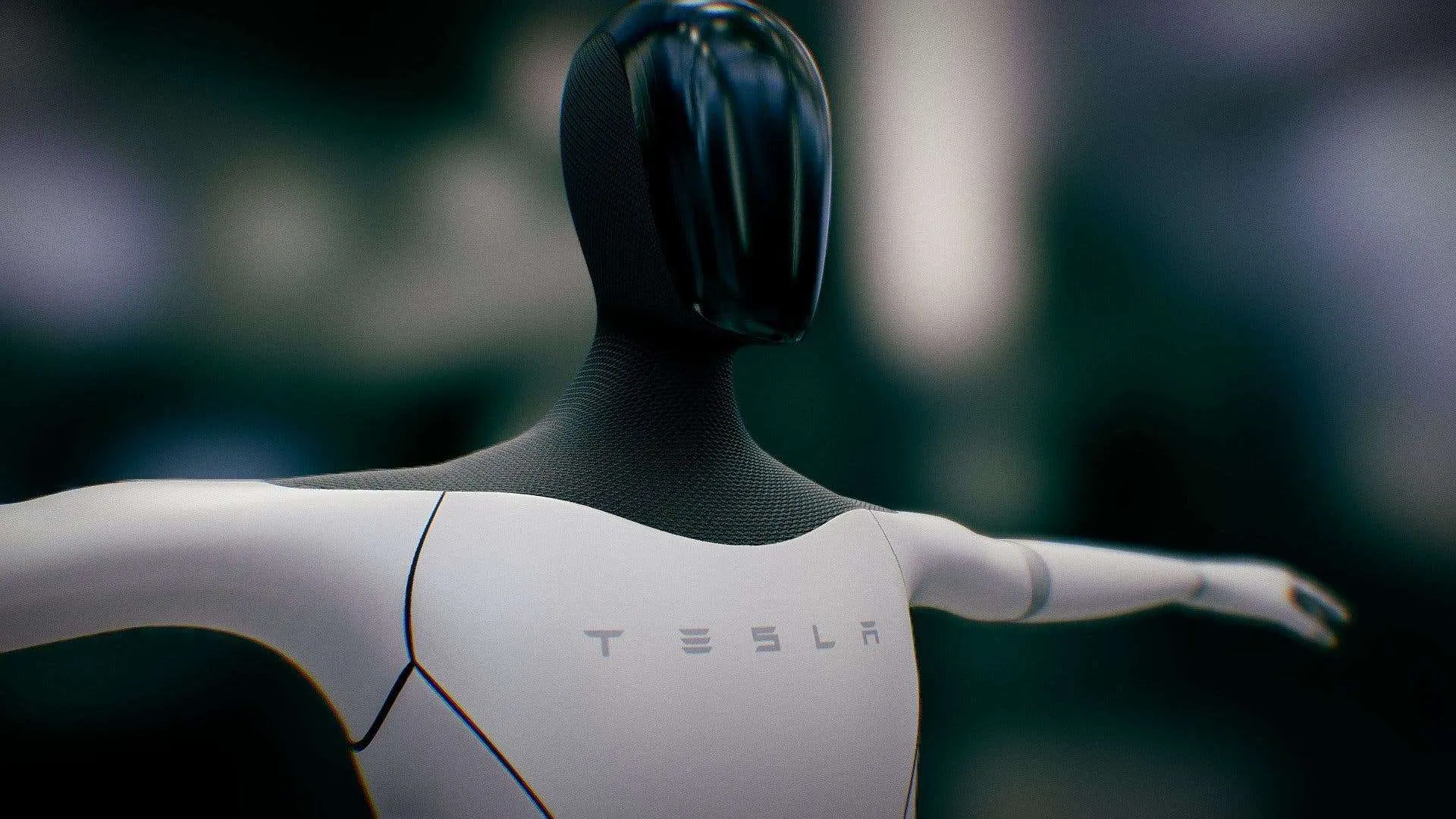
Imagine stepping into a home where your energy bills are a fraction of what they are now, where your home anticipates your needs and adjusts to your preferences, and where sustainable living isn't a sacrifice but a seamless, luxurious experience. That's the promise of the Tesla House 2025: A Look at the Future of Solar-Powered Smart Living. It's not just about technology; it's about a fundamentally better way to live.
Why is this vision of the future so crucial right now? Because for many families, the rising cost of energy is a constant source of stress. Unexpected heating or cooling bills can throw a budget into disarray, forcing difficult choices. Moreover, the environmental impact of traditional energy sources is becoming increasingly clear. The Tesla House 2025 concept offers a path toward greater energy independence, financial stability, and a smaller carbon footprint.
A simple step you can take today to move closer to this future? Check your thermostat settings. Even a few degrees' adjustment can significantly reduce your energy consumption. Aim for 68 degrees in the winter and 78 degrees in the summer when you're home, and even lower or higher when you’re out or asleep.
Tesla House 2025: Unpacking the Vision
The core of the Tesla House 2025 concept is the integration of Tesla's energy products with smart home technology to create a self-sufficient and efficient living space. This includes solar panels, battery storage (like the Powerwall), and electric vehicle (EV) charging capabilities, all managed by a central, intelligent system. Imagine solar panels seamlessly integrated into the roof, silently converting sunlight into electricity, stored in a Powerwall for use when the sun isn't shining, and powering both your home and your Tesla vehicle. It's a closed-loop system designed for maximum efficiency and minimal environmental impact.
This vision goes beyond just energy. It includes a suite of smart home technologies that learn your habits and preferences to optimize energy usage, enhance comfort, and improve security. Think of smart thermostats that automatically adjust the temperature based on occupancy and weather forecasts, lighting systems that dim or brighten depending on the time of day, and appliances that operate during off-peak hours to minimize energy costs.
Key Components of a Tesla-Inspired Smart Home
Solar Panels: High-efficiency solar panels are essential for generating clean energy. Look for options with a high energy conversion rate and a long lifespan. Powerwall Battery Storage: This allows you to store excess solar energy for use at night or during power outages, increasing energy independence. Smart Thermostat: A smart thermostat learns your heating and cooling preferences and adjusts automatically to save energy. EV Charger: Integrating an EV charger allows you to power your electric vehicle with clean energy generated by your solar panels.
Energy Efficiency Upgrades: Beyond the Tesla Ecosystem
While the Tesla ecosystem offers a compelling vision, you don't need to go all-in to significantly improve your home's energy efficiency. Many cost-effective upgrades can make a big difference.
One of the most important areas to address is insulation. Proper insulation in your attic, walls, and floors can prevent heat loss in the winter and heat gain in the summer, reducing your reliance on heating and cooling systems. Another crucial step is to seal any air leaks around windows, doors, and other openings. Drafty windows and doors can let in cold air in the winter and hot air in the summer, making your HVAC system work harder and increasing your energy bills. Sealing these leaks with caulk or weather stripping can make a noticeable difference.
Upgrading to energy-efficient appliances is another smart move. Look for appliances with the Energy Star label, which indicates that they meet strict energy efficiency guidelines. Replacing old refrigerators, washing machines, and dishwashers with Energy Star models can save you a significant amount of money over their lifespan. Don't forget about lighting! Switching to LED bulbs is a simple and cost-effective way to reduce your energy consumption. LEDs use significantly less energy than incandescent bulbs and last much longer, saving you money on both your energy bills and bulb replacements.
Navigating Utility Assistance Programs
Even with energy-efficient upgrades, some households may still struggle to afford their energy bills. Fortunately, several utility assistance programs are available to help.
LIHEAP (Low Income Home Energy Assistance Program) is a federal program that provides financial assistance to low-income households to help them pay their heating and cooling bills. Eligibility requirements vary by state, but generally, households must meet certain income guidelines to qualify. To find out if you're eligible for LIHEAP, contact your local community action agency or visit the LIHEAP website. Many states and local communities also offer their own utility assistance programs. These programs may provide additional financial assistance, weatherization services, or energy efficiency upgrades. Contact your local utility company or community services agency to learn more about available programs in your area.
Another crucial step is to communicate directly with your utility company. Many utility companies offer payment plans, budget billing options, and energy efficiency programs to help customers manage their energy costs. If you're struggling to pay your bill, contact your utility company as soon as possible to discuss your options. Be aware of potential scams. Unfortunately, there are individuals and organizations that try to take advantage of people in need of utility assistance. Be wary of anyone who asks for personal information or payment upfront in exchange for assistance. Always verify the legitimacy of any program or organization before providing any information or money.
Signs You Might Need Utility Bill Help
Constantly rising energy bills, even with consistent usage.
Difficulty paying other essential bills after paying your energy bill.
Receiving shut-off notices from your utility company.
Living in a home with inadequate insulation or weatherization.
Creating a Comfortable and Healthy Home Environment
Beyond energy efficiency, the Tesla House 2025 vision also emphasizes creating a comfortable and healthy home environment. This includes ensuring proper ventilation, maintaining good air quality, and optimizing lighting for both functionality and well-being. Poor indoor air quality can lead to various health problems, including allergies, asthma, and respiratory infections. To improve your home's air quality, regularly change your HVAC filters, use air purifiers, and avoid smoking indoors. Proper ventilation is also essential for removing pollutants and moisture from your home. Open windows and doors regularly to allow fresh air to circulate, and use exhaust fans in bathrooms and kitchens to remove moisture and odors.
Lighting plays a crucial role in our well-being. Natural light is the best source of light, so try to maximize natural light in your home by opening curtains and blinds during the day. Supplement natural light with artificial lighting, choosing bulbs that emit a warm, natural light. Avoid harsh fluorescent lighting, which can cause eye strain and headaches.
FAQ: Tesla House 2025 and Energy Savings
How much does a Tesla Powerwall cost?
The cost of a Tesla Powerwall varies depending on your location and installation costs, but typically ranges from $10,000 to $16,000 installed. This price includes the unit itself, installation labor, and any necessary permits.
Can I use solar panels even if I don't live in a sunny area?
Yes! Solar panels can still generate electricity even on cloudy days, although their output will be reduced. Modern solar panels are more efficient than ever, and even areas with moderate sunlight can benefit from solar energy.
What are some simple ways to reduce my energy bills without major renovations?
Easy fixes include switching to LED light bulbs, sealing drafts around windows and doors, unplugging electronics when not in use, and adjusting your thermostat by a few degrees.
What if I can't afford a smart thermostat right now?
Even a programmable thermostat can help you save money. Set it to automatically adjust the temperature when you're asleep or away from home. You can often find them for under $50.
How do I find out about rebates for energy-efficient appliances?
Check with your local utility company, state energy office, and the Energy Star website for information on available rebates and incentives in your area.
Is the Tesla House 2025 concept only for homeowners?
While some aspects, like solar panel installation, are geared toward homeowners, renters can still implement many energy-saving strategies, such as using smart power strips, switching to LED lighting, and adjusting thermostat settings (with permission, if needed). Focus on changes you can easily take with you when you move.
The Tesla House 2025: A Look at the Future of Solar-Powered Smart Living may seem like a distant dream, but it's a vision we can all work toward. Start small, make incremental improvements, and explore the resources available to you. Every step you take toward energy efficiency and sustainable living is a step toward a brighter, more affordable, and more comfortable future. Begin by researching energy-efficient upgrades in your area – you might be surprised by the rebates and incentives available to help you get started.

Post a Comment