
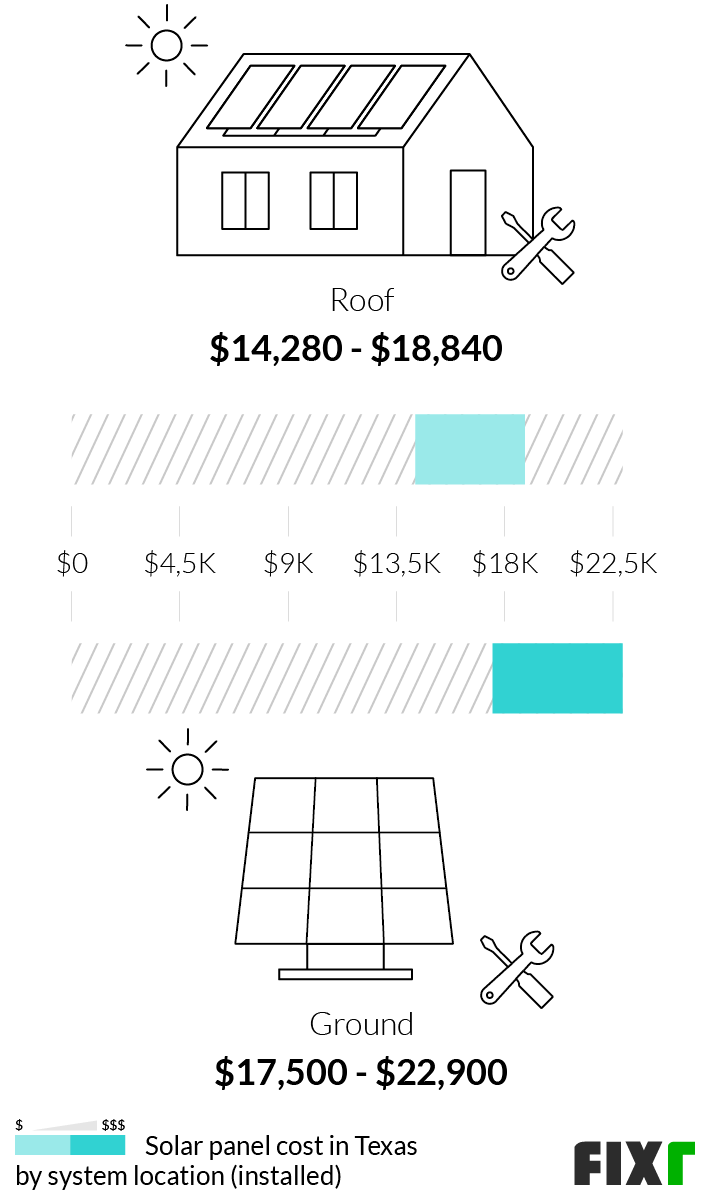
Imagine slashing your electricity bill while simultaneously boosting your home's value and shrinking your carbon footprint. For many Texas homeowners, that dream is becoming a reality thanks to the increasing affordability and efficiency of solar panels. But navigating the world of solar energy can feel overwhelming. That's where this Cost of Solar Panels in Texas: A 2025 Homeowner’s Guide comes in. We’ll break down the costs, incentives, and considerations to help you determine if solar is the right choice for your Lone Star State home.
Why is understanding the cost of solar panels in Texas so important right now? Texas summers are notoriously brutal, and that translates to sky-high electricity bills as air conditioners work overtime. Every dollar saved on energy is a dollar that can be reinvested in your family, your home, or your future. Moreover, energy independence brings peace of mind, knowing you're less vulnerable to fluctuating energy prices and potential grid outages – a growing concern in Texas. Plus, by investing in solar, you're contributing to a cleaner, more sustainable energy future for yourself and your community.
Here’s a quick tip you can act on today: Check your current electricity bill. Most providers offer online portals that track your energy usage over time. Analyzing your usage patterns will give you a baseline to understand how much solar energy you might need and how much you could potentially save.
Decoding the Cost of Solar Panels in Texas in 2025
The upfront investment is often the biggest hurdle when considering solar panels. So, what can Texas homeowners expect to pay in 2025? The cost of solar panels is typically measured in dollars per watt ($/W). As of late 2024 and projecting into 2025, the average cost for a residential solar panel system in Texas ranges from $2.50 to $3.50 per watt.
For example, a typical 6k W (kilowatt) system, which is suitable for many Texas homes, could cost between $15,000 and $21,000 before incentives. That sounds like a significant investment, but it's crucial to remember that this is a gross cost. Numerous factors influence the final price, including the size of the system needed to power your home, the quality of the panels and other equipment, the complexity of the installation, and, most importantly, the available rebates and tax credits.
Factors Influencing Solar Panel Costs
Several elements can significantly impact the overall cost of your solar panel system: System Size:Obviously, a larger system with more panels will cost more. The size needed depends on your energy consumption, roof space, and desired level of energy independence.
Panel Quality: Premium panels from reputable manufacturers generally cost more but offer higher efficiency and longer warranties.
Installation Complexity: A simple, straightforward roof installation will be less expensive than a more complex installation that requires additional equipment or modifications.
Equipment Choices: Inverters (which convert DC to AC power) and batteries (for energy storage) add to the cost, but also enhance the functionality of your system.
Permitting and Inspections: Local municipalities have varying fees and requirements for permitting and inspecting solar panel installations.
Understanding Federal and State Incentives
One of the most impactful ways to reduce the cost of solar panels is through government incentives. The federal Investment Tax Credit (ITC) allows you to deduct 30% of the cost of your solar panel system from your federal taxes. This is a significant saving that substantially reduces the net cost of your installation.
While Texas doesn't offer a statewide solar tax credit, some local utility companies may offer rebates or other incentives. It’s essential to research what is available in your specific area. Check with your local utility and explore resources like the Database of State Incentives for Renewables & Efficiency (DSIRE) to find available programs. Keep in mind that incentives can change, so verifying current offerings is crucial.
Financing Your Solar Dream in Texas
Even after accounting for incentives, the upfront cost of solar panels can still be a barrier for some homeowners. Fortunately, several financing options are available: Solar Loans:These loans are specifically designed for financing solar panel systems. They often have competitive interest rates and flexible repayment terms.
Home Equity Loans or Lines of Credit (HELOCs): These can be used to finance solar panels, but be aware of the risks associated with using your home as collateral.
Power Purchase Agreements (PPAs) and Leases: With a PPA or lease, you don't own the solar panels. Instead, you pay for the electricity they generate. These options typically have lower upfront costs but may not provide the same long-term savings as owning your system.
The Long-Term Savings of Solar Panels
While the initial investment in solar panels is significant, the long-term savings can be substantial. Solar panels generate free electricity, reducing or eliminating your reliance on the grid. Over the lifespan of your system (typically 25-30 years), these savings can easily outweigh the initial cost. In some cases, a well-sized solar panel system can pay for itself in as little as 5-10 years.
Furthermore, installing solar panels can increase your home's value. Studies have shown that homes with solar panels sell for more than comparable homes without them. This added value can be a significant benefit when you decide to sell your home.
Maximizing Energy Efficiency for Optimal Solar Savings
Before diving into solar, it’s smart to tackle some basic energy efficiency improvements around your home. These efforts not only lower your overall energy consumption, making your solar system more effective, but also translate into immediate savings on your utility bills.
Start by sealing any drafts around windows and doors with weather stripping or caulk. Insulate your attic and walls to prevent heat loss in the winter and heat gain in the summer. Consider upgrading to energy-efficient appliances and lighting. A programmable or smart thermostat can also help you save energy by automatically adjusting the temperature when you're away or asleep. Small changes can add up to big savings, complementing the benefits of solar panels.
Navigating Texas Energy Assistance Programs
Even with solar and energy efficiency measures, some Texas families may still struggle to afford their electricity bills. Several programs are available to provide assistance: Comprehensive Energy Assistance Program (CEAP):This program, administered by the Texas Department of Housing and Community Affairs (TDHCA), provides financial assistance to low-income households to help them pay their electricity bills. Contact your local community action agency to apply.
Low Income Home Energy Assistance Program (LIHEAP): LIHEAP is a federally funded program that provides assistance with energy bills, weatherization, and energy-related home repairs. The Texas Department of Community Affairs (TDCA) oversees LIHEAP in Texas.
Utility Company Assistance Programs: Many Texas utility companies offer their own assistance programs for low-income customers. Contact your utility to learn more.
Always be cautious of scams promising energy assistance. Legitimate programs will never ask for upfront fees or your Social Security number over the phone. Only apply through official channels like TDHCA, TDCA, or your utility company.
FAQ About Solar Panels in Texas
How long do solar panels last in Texas?
Most solar panels are designed to last 25-30 years, although they may still produce some electricity beyond that timeframe, albeit at a reduced capacity. The Texas climate, with its intense sun and occasional extreme weather, can affect their lifespan, but modern panels are built to withstand these conditions.
What happens if I produce more electricity than I use with solar panels?
In Texas, many utility companies offer net metering programs. Net metering allows you to send excess electricity back to the grid and receive credit on your bill for the energy you provide.
Can I install solar panels myself in Texas?
While it's technically possible to install solar panels yourself, it's generally not recommended unless you have significant electrical experience and knowledge of local building codes. A professional installation ensures safety, compliance, and optimal performance.
Are there any disadvantages to solar panels in Texas?
The main disadvantages are the upfront cost and the potential for weather-related disruptions to energy production. Additionally, the appearance of solar panels may not appeal to everyone.
What size solar panel system do I need for my Texas home?
The size of the system needed depends on your energy consumption, roof space, and desired level of energy independence. A professional solar installer can assess your needs and recommend the appropriate system size.
How do I find a reputable solar panel installer in Texas?
Look for installers with experience, positive reviews, and proper licensing and insurance. Get quotes from multiple installers and compare their prices, equipment, and warranties. The Better Business Bureau and online review sites can provide valuable information.
The path to energy independence and savings is within reach. Now that you understand the Cost of Solar Panels in Texas: A 2025 Homeowner’s Guide, your next step is to get a personalized quote from a reputable solar installer. Start gathering quotes, compare your options, and take control of your energy future!

Post a Comment