
You're probably wondering, does a solar panel have cells? And if so, what do those cells evendo? Understanding the building blocks of solar technology isn't just for engineers anymore. With solar energy becoming increasingly accessible, knowing how these panels work can empower you to make informed decisions about home energy, potential cost savings, and even boost your home's value.
Solar energy is no longer a futuristic fantasy; it's a practical solution for reducing our reliance on traditional energy sources and potentially lowering your monthly utility bills. Embracing solar, even in small ways, contributes to a more sustainable future, and understanding the technology behind it is the first step. Plus, it can significantly impact your household budget and increase your home’s overall efficiency.
Try this simple task today:Check your latest energy bill. Note the amount you paid and then research local solar incentives or rebates available in your area. This is a great starting point to see how solar could realistically benefit you.
Does a Solar Panel Have Cells? Breaking Down Solar Technology
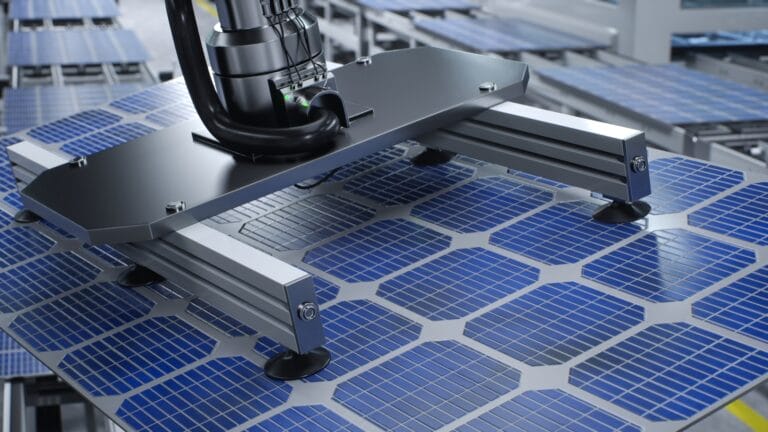
Yes, absolutely! A solar panel is essentially a collection of individual solar cells working together. Think of it like a team, where each cell contributes a small amount of electricity, and together, they generate enough power to be useful. Understanding this fundamental concept unlocks the mystery behind how solar panels turn sunlight into electricity. Without these cells, a solar panel would be nothing more than a sheet of glass and metal.
Solar cells, also known as photovoltaic (PV) cells, are the core components responsible for capturing sunlight and converting it into usable electricity. They are typically made from silicon, a semiconductor material. When sunlight strikes the silicon, it knocks electrons loose, creating an electrical current. This current is then captured and channeled to power your home or business.
What materials are solar cells made of?
Most solar cells are made of silicon, the same material used in computer chips. There are different types of silicon used in solar cells, including monocrystalline and polycrystalline. Monocrystalline silicon is made from a single crystal of silicon, making it more efficient but also more expensive. Polycrystalline silicon is made from multiple silicon crystals, making it less efficient but also more affordable. Other materials, such as thin-film semiconductors like cadmium telluride (Cd Te) or copper indium gallium selenide (CIGS), are also used in some types of solar cells.
How many solar cells are in a typical solar panel?
The number of cells in a solar panel varies depending on the panel's size and power output. Common configurations include 60-cell and 72-cell panels for residential use. Higher cell count panels usually produce more power. The cells are connected in a series to increase voltage and then encapsulated to protect them from the environment.
Maximizing Your Home's Energy Efficiency
Even if solar panels aren't in your immediate plans, there are many ways to reduce your energy consumption and lower your utility bills. Start by identifying areas where you might be wasting energy. Are your windows drafty? Is your insulation adequate? Are your appliances energy-efficient? Addressing these issues can significantly impact your overall energy usage.
Consider these simple, cost-effective steps: Seal Drafts: Use weather stripping and caulk to seal gaps around windows and doors. This prevents heat loss in the winter and keeps cool air in during the summer. Insulate Your Home: Proper insulation in your attic, walls, and floors can significantly reduce energy loss. Check for local rebates or incentives for insulation upgrades. Upgrade Appliances: When replacing appliances, choose Energy Star-certified models. These appliances are designed to use less energy, saving you money over the long term. Install a Smart Thermostat: Smart thermostats allow you to program your heating and cooling schedules, optimizing energy usage based on your needs.
Understanding Utility Assistance Programs
If you're struggling to pay your energy bills, you're not alone. Many utility assistance programs are available to help low-income households manage their energy costs. These programs can provide financial assistance, energy efficiency upgrades, and weatherization services.
Some common programs include: Low Income Home Energy Assistance Program (LIHEAP): A federally funded program that provides assistance with heating and cooling costs. Eligibility requirements vary by state. Weatherization Assistance Program: Offers free weatherization services to low-income homeowners and renters, helping to improve energy efficiency and reduce energy bills. Utility-Sponsored Programs:Many utility companies offer their own assistance programs, such as bill discounts, payment plans, and energy efficiency rebates.
Contact your local utility company or your state's energy office to learn more about these programs and eligibility requirements. Don't hesitate to reach out for help if you need it. Many resources are available to help you manage your energy bills and stay comfortable in your home. You can often find contact information on your utility bill or on the utility company's website.
Ensuring Comfort and Well-being at Home
Energy efficiency isn't just about saving money; it's also about creating a comfortable and healthy living environment. Drafty homes can be uncomfortable and can lead to increased energy costs. Poor air quality can exacerbate respiratory problems and other health issues. By addressing these issues, you can improve your overall well-being and create a more enjoyable living space.
How can I improve indoor air quality?
Improving indoor air quality involves several steps. Regularly change your HVAC filters to remove dust and allergens. Use air purifiers with HEPA filters to capture airborne particles. Ensure proper ventilation by opening windows when weather permits or using exhaust fans in kitchens and bathrooms. Avoid smoking indoors and minimize the use of chemical-based cleaning products. Indoor plants can also help purify the air.
Consider these tips for a healthier home: Maintain Proper Ventilation: Ensure adequate ventilation to prevent the buildup of pollutants and moisture. Control Humidity: Use dehumidifiers or humidifiers to maintain optimal humidity levels, preventing mold growth and improving comfort. Test for Radon: Radon is a naturally occurring gas that can seep into homes and pose a health risk. Test your home for radon and mitigate if necessary. Use Natural Cleaning Products: Opt for natural cleaning products to reduce exposure to harmful chemicals.
Frequently Asked Questions (FAQs)
Are all solar cells the same?
No, solar cells come in different types and efficiencies. The most common types are monocrystalline, polycrystalline, and thin-film. Monocrystalline cells are typically more efficient but more expensive than polycrystalline cells. Thin-film cells are less efficient but can be more cost-effective for certain applications.
How long do solar panels last?
Most solar panels come with a 25-year performance warranty, guaranteeing they will produce a certain percentage of their original power output after 25 years. However, solar panels can often last much longer, potentially up to 30 or 40 years.
Can solar panels work on cloudy days?
Yes, solar panels can still generate electricity on cloudy days, although at a reduced rate. The amount of electricity produced depends on the amount of sunlight that reaches the panels. Even on overcast days, solar panels can capture diffused sunlight and convert it into energy.
Do solar panels require maintenance?
Solar panels generally require minimal maintenance. It's a good idea to occasionally clean them to remove dirt, dust, and debris that can reduce their efficiency. In areas with heavy snowfall, it may be necessary to clear snow from the panels to maximize sunlight exposure.
What happens to solar panels at the end of their lifespan?
Solar panels can be recycled at the end of their lifespan. Recycling processes can recover valuable materials such as silicon, aluminum, and glass, which can then be used to manufacture new products. As solar panel adoption increases, the recycling infrastructure is also growing.
How do I know if my home is suitable for solar panels?
The suitability of your home for solar panels depends on several factors, including the amount of sunlight your roof receives, the orientation and angle of your roof, and the presence of any shading from trees or buildings. A professional solar installer can assess your home and provide a personalized recommendation.
Now that you understand the basics of solar panels and their cells, take the next step and research local solar installers or energy auditors. Getting a professional assessment of your home's energy needs can help you determine the best strategies for saving energy and improving your living environment.

Post a Comment