
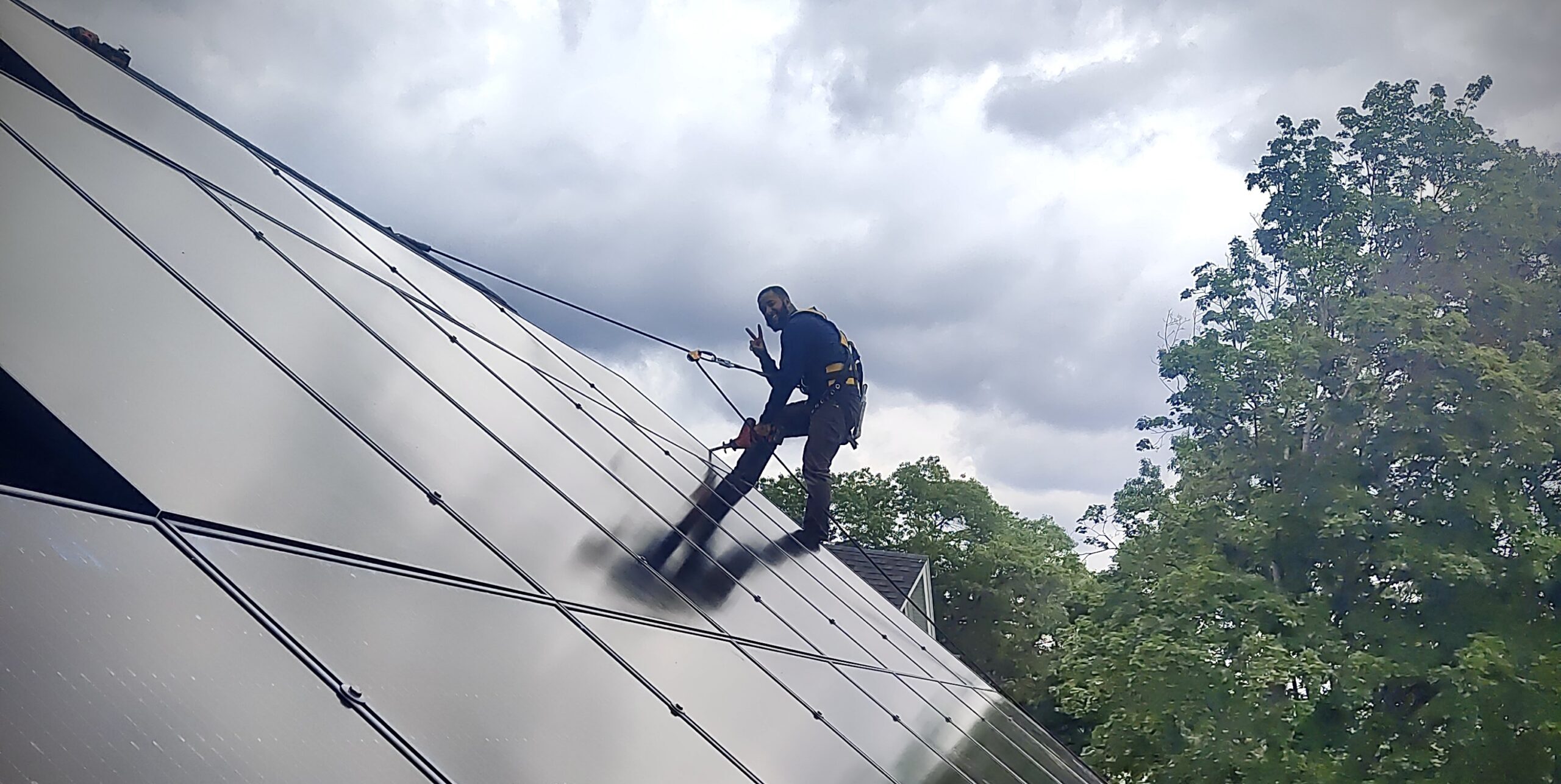
Imagine slashing your energy bills, basking in naturally lit rooms, and even powering your home with the sun’s free energy. It all starts with understanding one simple thing: How Much Sun Does My House Get? Knowing this unlocks opportunities for smarter energy use and a more comfortable living space.
Understanding the amount of sunlight your home receives is crucial, not just for potential solar panel installations, but also for managing your energy consumption year-round. South-facing windows, for example, can provide significant passive solar heating in the winter, reducing your reliance on your furnace. Conversely, those same windows can overheat your home in the summer, increasing your air conditioning costs. By accurately assessing your home's solar potential, you can make informed decisions about window treatments, landscaping, and even energy-efficient upgrades that will save you money and enhance your comfort.
Start by observing your home at different times of day. Note which rooms get the most direct sunlight and for how long. This simple observation is your first step toward unlocking energy savings.
Understanding Solar Potential: Why It Matters
Sunlight is more than just a mood booster; it's a powerful energy source. Tapping into your home's solar potential can dramatically reduce your dependence on traditional energy sources, leading to significant cost savings. But its impact extends beyond your wallet. Proper management of sunlight can create a more comfortable and healthier living environment, reducing your carbon footprint and contributing to a more sustainable future. Every ray of sunshine has the potential to heat your home in winter, brighten your rooms, and even power your appliances with solar panels. Knowing how much sun your house gets is the key to unlocking these benefits.
What factors affect solar potential?
Several factors influence the amount of sunlight your home receives. Orientation plays a significant role – south-facing homes generally receive the most sunlight throughout the year, especially in the Northern Hemisphere. The presence of trees, buildings, or other obstructions can also significantly reduce solar exposure. Even the weather patterns specific to your region, such as frequent cloud cover or fog, will impact your home's overall solar potential. Accurately assessing these factors is crucial for making informed decisions about energy efficiency and potential solar panel installations.
Free Tools to Measure Solar Potential
Fortunately, you don't need to hire a professional to get a good estimate of your home's solar potential. Several free tools are available online that can help you assess your sunlight exposure and make informed decisions about energy efficiency and potential solar panel installations.
Google Project Sunroof: This tool allows you to enter your address and see a satellite-based analysis of your roof's solar potential. It considers factors like roof orientation, shading from trees and buildings, and local weather patterns to estimate the amount of sunlight your roof receives throughout the year. It can even estimate the potential cost savings of installing solar panels.
Local Solar Maps: Many cities and counties provide online solar maps that show the solar potential of individual properties. These maps often use Li DAR (Light Detection and Ranging) technology to create highly accurate 3D models of buildings and surrounding terrain, allowing for precise solar assessments. Check your local government website for available resources.
Smartphone Apps: Several smartphone apps are available that use your phone's camera and GPS to estimate the amount of sunlight your roof receives. These apps typically allow you to take a panoramic photo of your surroundings and then analyze the image to identify potential shading obstructions. While not as precise as satellite-based tools, these apps can provide a quick and easy way to assess your home's solar potential.
DIY Solar Site Assessment: Conduct a simple visual assessment of your property. Observe the sun’s path throughout the day during different seasons. Note any obstructions (trees, buildings) that cast shadows on your roof or windows. This low-tech approach offers a basic understanding of sunlight patterns affecting your home.
Understanding Utility Bills and Finding Assistance
If your energy bills are already high, understanding your solar potential becomes even more critical. High energy consumption often indicates inefficiencies in your home's heating, cooling, or insulation. Review your utility bill carefully to identify areas where you can reduce usage. Many utility companies offer online tools that allow you to track your energy consumption over time and compare it to similar households in your area.
Moreover, explore utility assistance programs designed to help low-income households manage their energy costs. The Low Income Home Energy Assistance Program (LIHEAP) is a federally funded program that provides financial assistance to help eligible households pay their heating and cooling bills. Eligibility requirements vary by state, but typically include income limits and household size restrictions. Contact your local LIHEAP office for more information and to apply. Many states and local communities also offer additional utility assistance programs. Check with your local social services agency or community action agency for available resources.
Practical Steps for Maximizing Solar Potential and Saving Energy
Once you have a better understanding of your home's solar potential, you can take practical steps to maximize its benefits and save energy.
Optimize Window Treatments: Use curtains, blinds, or shades to control the amount of sunlight entering your home. In the winter, open south-facing window coverings during the day to allow sunlight to warm your home. In the summer, close window coverings during the hottest part of the day to block out unwanted heat. Consider installing reflective window film to further reduce heat gain.
Landscaping: Plant deciduous trees on the south side of your home to provide shade in the summer and allow sunlight to reach your home in the winter. Trim existing trees to remove any obstructions that are blocking sunlight.
Improve Insulation: Proper insulation is crucial for keeping your home comfortable and energy-efficient. Insulate your attic, walls, and floors to prevent heat loss in the winter and heat gain in the summer. Seal any air leaks around windows, doors, and other openings.
Upgrade Appliances: Replace old, inefficient appliances with Energy Star-certified models. Energy Star appliances use significantly less energy than older models, saving you money on your utility bills. Consider upgrading your furnace, air conditioner, water heater, and refrigerator.
Smart Thermostat: Install a smart thermostat to automatically adjust your home's temperature based on your schedule and preferences. Smart thermostats can learn your habits and optimize energy usage to save you money.
Recognizing Energy-Related Problems at Home
Pay attention to the signs that your home may have energy-related problems. Drafts near windows and doors, inconsistent temperatures throughout your home, unusually high energy bills, and condensation on windows can all indicate energy inefficiencies. If you notice any of these problems, take action to address them promptly. Simple fixes like sealing air leaks and adding insulation can often make a significant difference in your home's energy efficiency and comfort. Persistent issues may require professional assessment from an energy auditor or HVAC technician. Don’t ignore warning signs; addressing them early can prevent more significant problems and expenses later.
How can weatherization assistance help?
Weatherization assistance programs provide free or low-cost energy efficiency upgrades to eligible low-income households. These programs typically include services such as insulation, air sealing, furnace repair or replacement, and window and door upgrades. Weatherization improvements can significantly reduce your energy consumption and improve your home's comfort and safety. Contact your local weatherization agency to learn more about eligibility requirements and application procedures.
What about indoor comfort and well-being?
Proper sunlight management also contributes to indoor comfort and well-being. Natural light can boost your mood, improve your sleep, and reduce stress. However, excessive sunlight can cause glare and overheating. Striking the right balance is crucial for creating a comfortable and healthy living environment. Ensure adequate ventilation to prevent indoor air pollution. Consider using natural light whenever possible to reduce your reliance on artificial lighting. Creating a comfortable and energy-efficient home is an investment in your well-being and your future.
FAQ Section
How do I use Google Project Sunroof?
Simply visit the Google Project Sunroof website and enter your address. The tool will analyze your roof using satellite imagery and provide an estimate of its solar potential, including the amount of sunlight your roof receives and the potential cost savings of installing solar panels.
What if my home is heavily shaded by trees?
Heavy shading can significantly reduce your home's solar potential. Consider trimming or removing trees that are blocking sunlight, if feasible. You may also want to explore alternative energy efficiency measures, such as improving insulation and upgrading appliances.
Are there any tax credits or rebates for energy-efficient upgrades?
Yes, many federal, state, and local governments offer tax credits and rebates for energy-efficient upgrades, such as insulation, windows, and appliances. Check with your local utility company or energy office for available incentives.
How can I find a qualified energy auditor?
The Building Performance Institute (BPI) and the Residential Energy Services Network (RESNET) offer certification programs for energy auditors. Look for auditors who are certified by these organizations to ensure they have the necessary training and expertise.
What is the best direction for a house to face for solar energy?
Generally, a south-facing orientation is optimal for solar energy collection in the Northern Hemisphere, as it maximizes exposure to sunlight throughout the year. However, east- and west-facing orientations can still be viable options, depending on specific site conditions and energy needs.
Can I estimate solar potential myself without using online tools?
Yes, you can perform a basic visual assessment by observing the sun’s path throughout the day during different seasons. Note any obstructions (trees, buildings) that cast shadows on your roof or windows. This can give you a general idea of sunlight patterns.
Taking the time to understand How Much Sun Does My House Get? and exploring the free tools available is a smart first step toward energy savings and a more comfortable home. Now, take a moment to assess your home's sun exposure and identify one simple step you can take today to improve your energy efficiency.

Post a Comment