
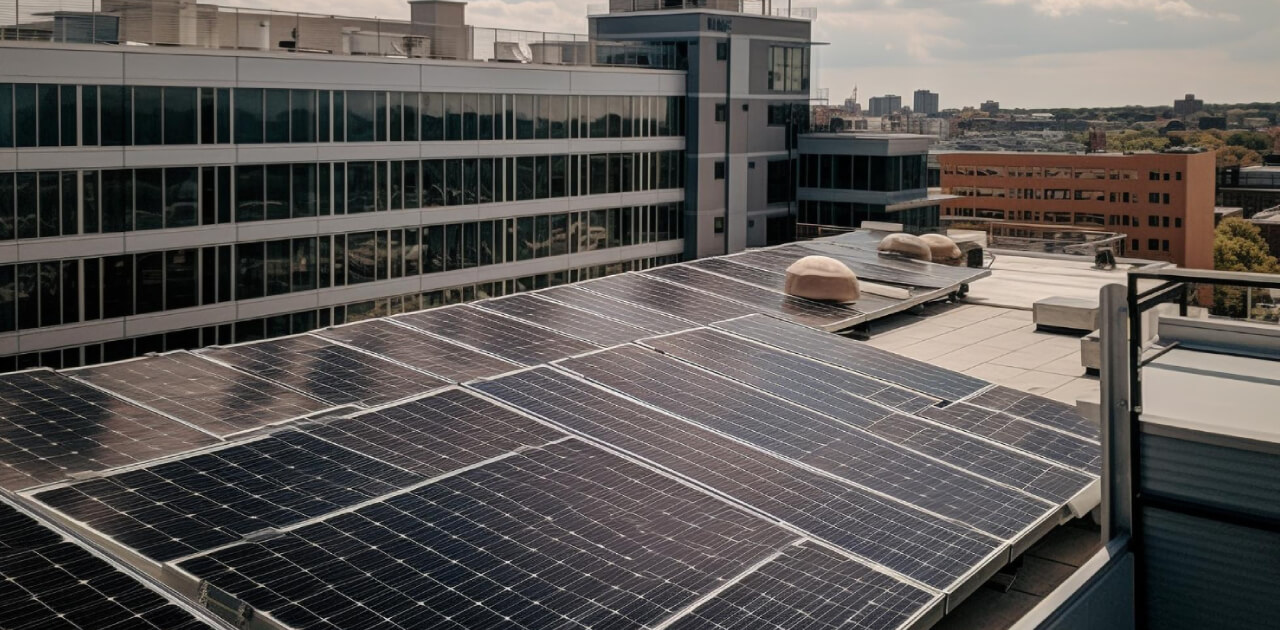
Imagine generating your own clean, renewable energy right from your rooftop, drastically reducing your electricity bills and shrinking your carbon footprint. Home solar systems are an increasingly popular and accessible way to achieve energy independence, but before you sign any contracts, understanding your roof’s suitability for solar panel installation is absolutely crucial. Choosing the right roof for home solar isn't just about immediate savings; it's about the long-term viability and performance of your investment.
The roof over your head plays a pivotal role in your home's energy efficiency and overall comfort. It's the first line of defense against the elements, and a properly maintained roof can significantly impact your heating and cooling costs. Neglecting roof maintenance can lead to leaks, drafts, and even structural damage, all of which drive up your energy bills. For homeowners considering rooftop solar, the existing condition and composition of the roof are paramount. A roof nearing the end of its lifespan might require replacementbeforesolar panels are installed, adding to the upfront costs but ultimately safeguarding your investment.
One simple step you can take today is to visually inspect your roof. Look for any signs of damage such as missing, cracked, or curled shingles. Note any areas where moss or algae are growing, as this can trap moisture and accelerate deterioration. If you spot any issues, schedule a professional roof inspection to assess the extent of the damage and determine the best course of action.
Evaluating Your Existing Roof for Solar Panel Installation
Before diving into the exciting world of solar energy, let's take a realistic look at what your current roof brings to the table. This involves more than just a quick glance; it's a comprehensive evaluation of several key factors. Remember, you're aiming for a roof that can not only support the weight of the panels but also provide a stable and durable platform for decades to come. This is also an ideal time to explore available utility assistance programs or rebates for energy-efficient upgrades.
Roof Age and Condition
The age of your roof is a primary consideration. If your roof is approaching or past its expected lifespan (typically 20-30 years for asphalt shingles), it's wise to consider replacing it before installing solar panels. Replacing a roofaftersolar panel installation is significantly more expensive because the panels must be removed and reinstalled. A professional roofer can assess the condition of your roof and provide an estimated remaining lifespan. Look for signs of wear and tear, such as cracking, curling, or missing shingles. Water stains on your ceiling are a definite red flag, indicating a leak that needs immediate attention. Also, if you're experiencing unusually high energy bills, it could be due to poor insulation or air leaks in your attic, which are often related to roof problems.
Roof Material and Solar Compatibility
Different roofing materials have varying degrees of compatibility with solar panel systems. Asphalt shingles are the most common and generally the easiest and most cost-effective to work with. Tile roofs, while aesthetically pleasing, can be more challenging and expensive to install solar panels on, as they require specialized mounting hardware. Metal roofs, particularly standing seam metal roofs, are often an excellent choice for solar, as the panels can be attached directly to the seams without penetrating the roofing material. Slate roofs, known for their durability, are also complex and costly for solar installations. Wood shake roofs may require extra reinforcement to support the weight of the panels. It's crucial to consult with a solar installer who has experience working with your specific roof type. Remember to check with your local utility company or energy assistance programs like LIHEAP to see if they offer rebates or incentives for homeowners installing solar panels. These programs can significantly offset the upfront costs and make solar more accessible.
Roof Orientation and Pitch
The orientation of your roof (which direction it faces) and its pitch (steepness) significantly impact the amount of sunlight your solar panels can capture. South-facing roofs are generally the most ideal, as they receive the most direct sunlight throughout the day. East- and west-facing roofs can also be suitable, though they may generate slightly less energy. North-facing roofs are typically not recommended for solar panel installation. The pitch of your roof also affects energy production. A moderate pitch (around 30-45 degrees) is generally optimal for maximizing sunlight capture. A solar installer can use specialized tools and software to assess your roof's orientation and pitch and estimate the potential energy production of a solar panel system. They will factor in any shading from trees or nearby buildings that could impact performance. Sometimes, even if your roof's orientation isn't perfect, strategically positioning the panels can still result in substantial energy savings.
Making Necessary Roof Repairs or Replacements Before Solar Installation
Delaying roof repairs can snowball into larger, more expensive problems. Before you commit to solar, addressing any existing roof issues is non-negotiable. Here’s how to tackle roof repairs or replacements strategically.
Get Multiple Quotes: Obtain quotes from at least three different roofing contractors. This allows you to compare pricing, materials, and warranties. Don't just choose the cheapest option; consider the contractor's reputation, experience, and customer reviews. Address Underlying Issues: Ensure the contractor identifies and addresses any underlying issues, such as damaged underlayment or rotten wood. Simply patching up the surface will only provide a temporary fix. Choose Quality Materials: Opt for high-quality roofing materials that are durable and long-lasting. While they may cost more upfront, they will save you money in the long run by reducing the need for frequent repairs. Consider materials that are compatible with solar panel installation. Check for Permits: Verify that the contractor obtains all necessary permits for the roof repair or replacement. This ensures that the work is done according to local building codes. Consider Energy Efficiency:When replacing your roof, consider adding insulation to improve your home's energy efficiency. Proper insulation can significantly reduce your heating and cooling costs, making your home more comfortable year-round.
Alternative Solar Solutions if Your Roof Isn't Ideal
Don't despair if your roof isn't perfectly suited for solar panels. There are alternative options to explore.
Ground-Mounted Solar Systems: If you have sufficient land, a ground-mounted solar system can be an excellent alternative. These systems can be positioned to maximize sunlight capture, regardless of your roof's orientation or pitch. Ground-mounted systems also offer easier access for maintenance and repairs. Community Solar Programs: Consider joining a community solar program. These programs allow you to subscribe to a share of a larger solar installation, typically located offsite. You receive credits on your electricity bill for the energy generated by your share of the solar farm. Solar Shingles: Solar shingles are an integrated roofing solution that combines the functionality of traditional shingles with the energy-generating capabilities of solar panels. While they may be more expensive upfront, they offer a sleek, seamless look and can be a good option for new construction or roof replacements. Energy Efficiency Upgrades: Before investing in solar, consider making energy efficiency upgrades to your home. Improving insulation, sealing air leaks, and upgrading to energy-efficient appliances can significantly reduce your energy consumption, lessening your reliance on electricity. This may also reduce the size of the solar panel system you need, lowering the overall cost. Contact your local utility company to inquire about energy audits and rebates for energy-efficient upgrades.
Navigating Energy Assistance Programs
Many homeowners struggle with high energy bills, especially during peak seasons. Fortunately, numerous energy assistance programs are available to help alleviate the financial burden. The Low Income Home Energy Assistance Program (LIHEAP) provides financial assistance to eligible households to help pay for heating and cooling costs. Eligibility requirements vary by state, but generally, income and household size are the primary factors. Contact your local LIHEAP office to learn more and apply. Many utility companies also offer payment assistance programs, budget billing options, and energy efficiency programs to help customers manage their energy bills. Check with your utility provider to see what programs are available in your area. Remember, seeking assistance is a sign of responsibility, not weakness. These programs are designed to help families stay comfortable and safe in their homes. If you're feeling overwhelmed by your energy bills, don't hesitate to reach out for help.
Frequently Asked Questions
How much does a new roof cost?
The cost of a new roof varies depending on the size of your home, the type of roofing material, and the complexity of the installation. On average, expect to pay between $5,000 and $15,000 for a new roof. Getting multiple quotes from reputable roofing contractors is essential.
How long do solar panels last?
Most solar panels come with a 25-year performance warranty, guaranteeing that they will produce a certain percentage of their original output for at least that long. However, solar panels can often last much longer, with many systems still generating power after 30 or even 40 years.
Can I install solar panels on an old roof?
Installing solar panels on an old roof is generally not recommended. If your roof is nearing the end of its lifespan, it's best to replace it before installing solar panels. Replacing a roof after solar panel installation is much more expensive.
What happens if my roof leaks after solar panels are installed?
If your roof leaks after solar panels are installed, contact your solar installer and a roofing contractor immediately. They will need to assess the cause of the leak and determine the best course of action to repair it without damaging the solar panels.
Are there tax credits or incentives for installing solar panels?
Yes, there are federal, state, and local tax credits and incentives available for installing solar panels. The federal solar tax credit allows you to deduct a percentage of the cost of your solar panel system from your federal taxes. Many states and local governments also offer additional incentives, such as rebates, tax credits, and property tax exemptions.
What is net metering?
Net metering is a billing mechanism that allows solar panel owners to receive credit for the excess electricity they generate and send back to the grid. When your solar panels produce more electricity than you're using, the excess is sent back to the grid, and your utility company credits your account. This can significantly reduce your electricity bill and even result in you receiving a check from the utility company.
Taking the first step toward understanding your roof's suitability for solar is a smart move. Now, schedule a professional inspection with both a roofer and a solar panel installer to get a detailed assessment and personalized recommendations. With the right information, you can confidently choose the best path toward energy independence and a more sustainable future, all while ensuring your home remains a safe and comfortable haven.

Post a Comment