
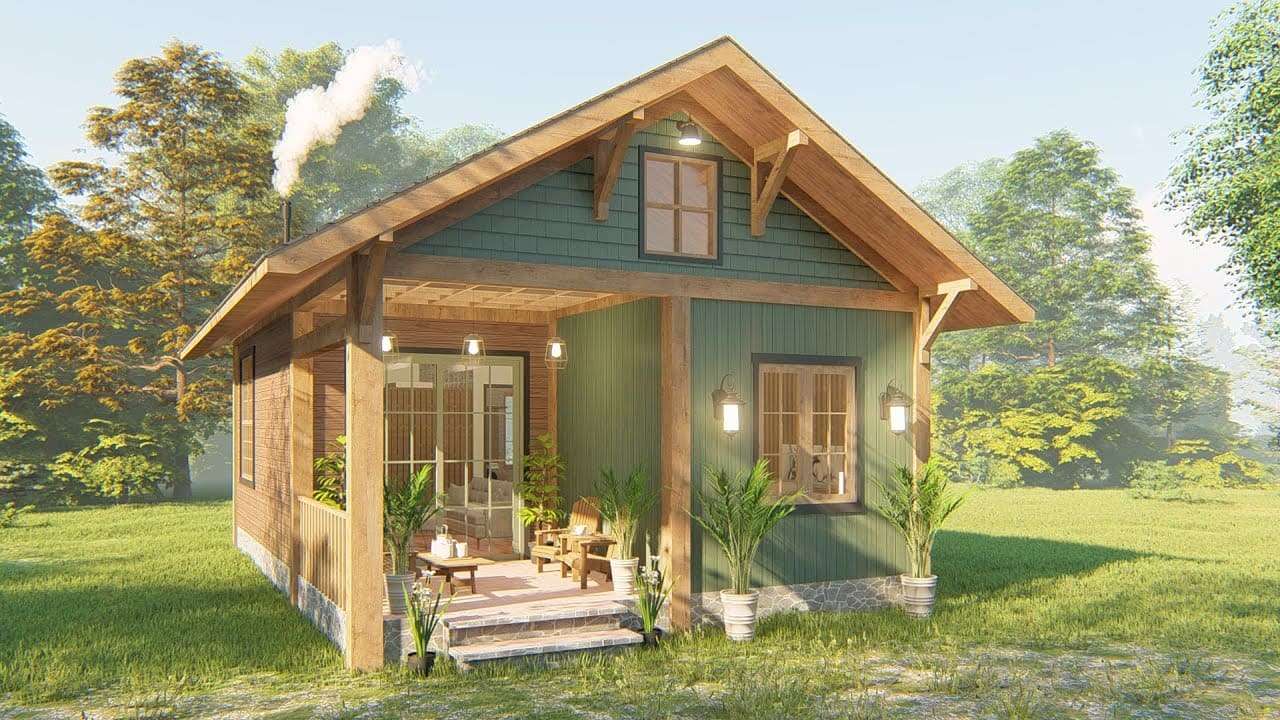
Imagine escaping the grip of ever-rising electricity bills and enjoying true energy independence. Small solar power systems are making this dream a reality for more and more people, especially those embracing off-grid living. It's no longer just for remote cabins; affordable solar technology is transforming how we power our lives, offering a path to both financial savings and a lighter environmental footprint.
The appeal of small solar power systems lies in their ability to provide reliable electricity in areas where grid access is limited or unreliable, or simply to reduce your reliance on traditional energy sources. As household budgets get stretched thinner, understanding and implementing these systems becomes crucial for maintaining comfort, safety, and a sense of control over your energy costs. Exploring these options also opens the door to learning about available financial assistance and optimizing energy use in other areas of your home.
Today's actionable tip: check your home's energy vampire load. Unplug chargers and appliances when not in use; these phantom draws can significantly add to your monthly bill, negating some of the benefits you might gain from a small solar power system.
Understanding Small Solar Power Systems: An Affordable Off-Grid Solution
The world of off-grid living can seem daunting, but getting started with small solar power systems is surprisingly accessible. These systems are designed to be modular and scalable, meaning you can start small and expand as your needs and budget allow. They typically consist of a few key components: solar panels to capture sunlight, a charge controller to regulate the electricity flowing to your batteries, batteries to store the energy, and an inverter to convert the DC power from the batteries into AC power that can run your household appliances.
Choosing the right size system is critical. Start by estimating your daily energy consumption. Look at your existing electricity bills or, if you are planning an off-grid build, list all the appliances you intend to use, their wattage, and how many hours per day you'll use them. This will give you a baseline for determining the number of solar panels and battery capacity you'll need. Many online calculators can assist with this process, but consulting with a solar installer is always recommended for accurate sizing.
What factors influence the cost of a small solar power system?
Several factors affect the cost of your small solar power system. The size of the system, measured in watts or kilowatts, is the most obvious. Higher wattage systems with more panels and larger battery banks will naturally cost more. The type of solar panels also plays a role; monocrystalline panels are generally more efficient and more expensive than polycrystalline panels. Battery technology is another crucial factor, with lithium-ion batteries offering longer lifespans and better performance compared to lead-acid batteries, but at a higher price. Installation costs can also vary widely depending on the complexity of the project and the location. Finally, don't forget to factor in the cost of permits and inspections, which may be required in your area.
Maximizing Energy Savings: Beyond Solar Panels
While small solar power systems offer a direct path to energy independence, maximizing your savings requires a holistic approach. Begin with a home energy audit to identify areas where you can reduce consumption. Sealing drafts around windows and doors, adding insulation to your attic and walls, and upgrading to energy-efficient appliances can significantly lower your energy needs. LED lighting is another easy win, consuming a fraction of the energy of traditional incandescent bulbs. Smart thermostats can also help you optimize your heating and cooling schedules, reducing energy waste when you're away from home.
Consider water heating as well. Solar water heaters are a great complement to your solar electric system, further reducing your reliance on grid power. Low-flow showerheads and faucet aerators can also conserve water and the energy required to heat it. Remember, every kilowatt-hour you save is one you don't have to generate or store.
Understanding Energy Assistance and Rebates
Navigating the world of energy assistance programs and rebates can feel overwhelming, but it's worth the effort. Many utility companies offer rebates for energy-efficient appliances, insulation upgrades, and even solar panel installations. State and local governments also have programs to help homeowners improve their energy efficiency. The federal government offers tax credits for solar energy systems, which can significantly reduce the overall cost.
LIHEAP (Low Income Home Energy Assistance Program) is a federal program that provides financial assistance to low-income households to help with their energy bills. Eligibility requirements vary by state, so it's important to check with your local LIHEAP office. Weatherization assistance programs are also available in many areas, offering free or low-cost home improvements to improve energy efficiency. These programs can help you save money on your energy bills and make your home more comfortable. Don’t hesitate to contact your local utility company directly; they often have dedicated programs and resources to assist customers with energy conservation and bill management.
Creating a Comfortable and Energy-Efficient Home
Beyond the financial benefits, focusing on energy efficiency contributes significantly to indoor comfort and overall well-being. Proper insulation and sealing can eliminate drafts and maintain a consistent temperature throughout your home, creating a more comfortable living environment. Addressing air quality issues, such as mold or excessive dust, can also improve your health.
Think about your lighting. Natural light is the best, so maximize it with strategically placed windows and skylights. When you need artificial light, choose energy-efficient LED bulbs with appropriate color temperatures for different rooms. Warmer tones are best for relaxing areas, while cooler tones are better for task lighting. A well-lit home feels more inviting and can improve your mood.
Recognizing Signs of Energy Inefficiency
Being aware of potential problems is the first step in addressing them. Common signs of energy inefficiency include drafts around windows and doors, uneven temperatures in different rooms, unusually high energy bills, and moisture problems. If you notice any of these issues, it's important to investigate and take corrective action. A professional energy audit can help you identify hidden problems and prioritize energy-saving improvements.
Pay attention to condensation on windows, which can indicate poor insulation or excessive humidity. Check your attic for adequate insulation and signs of water damage. Inspect your ductwork for leaks, which can waste significant amounts of energy. Addressing these issues can not only save you money but also improve your home's comfort and air quality.
Simple DIY Solutions for Immediate Energy Savings
You don't need to be an expert to make a difference in your home's energy efficiency. Simple DIY solutions can yield surprisingly significant results. Caulk and weatherstrip around windows and doors to seal drafts. Replace incandescent light bulbs with LEDs. Install a programmable thermostat to automate your heating and cooling schedules.
Wrap your water heater with an insulation blanket to reduce heat loss. Insulate exposed pipes in unheated areas. Use power strips to turn off electronics when not in use. Clean or replace your furnace filter regularly. These small actions can add up to substantial savings over time. Even adjusting your daily habits, such as turning off lights when you leave a room and taking shorter showers, can make a difference.
FAQ: Small Solar Power Systems for Off-Grid Living
How much does a small solar power system typically cost?
The cost varies widely depending on the size of the system, the type of components used, and installation costs. A basic system for powering a small cabin or shed might cost a few thousand dollars, while a larger system for a full-sized home could cost tens of thousands. Getting multiple quotes from reputable solar installers is recommended.
Can I install a small solar power system myself?
While DIY installation is possible, it's generally recommended to hire a qualified solar installer. Working with electricity can be dangerous, and proper installation is crucial for safety and performance. An installer can also help you navigate permits and inspections and ensure that your system is properly sized and configured.
How long do solar panels and batteries last?
Solar panels typically have a lifespan of 25-30 years, although they may continue to produce some electricity beyond that point. Batteries have a shorter lifespan, ranging from 5-15 years depending on the type and usage. Lithium-ion batteries generally last longer than lead-acid batteries.
What happens on cloudy days?
Solar panels still produce electricity on cloudy days, but at a reduced rate. The amount of electricity generated depends on the cloud cover. A properly sized battery bank should provide enough storage to cover periods of low sunlight. You may also consider a backup generator for extended periods of cloudy weather.
Are there any ongoing maintenance costs?
Solar panels require minimal maintenance, typically just cleaning them a few times a year to remove dirt and debris. Batteries may require occasional maintenance, such as checking electrolyte levels. It's also a good idea to have your system inspected periodically by a qualified technician to ensure optimal performance.
What size solar system do I need to power my off-grid home?
Calculating your energy needs is the first step. Add up the wattage and usage hours of all appliances you plan to run. Then, factor in your location’s sunlight hours (peak sun hours) and system efficiency. Online calculators and professional solar installers can help determine the correct size for your situation, ensuring you have enough power year-round.
Ready to take control of your energy future? Start researching your options for small solar power systems today. Explore available rebates and incentives in your area, get quotes from multiple installers, and begin planning your transition to affordable off-grid living.

Post a Comment