
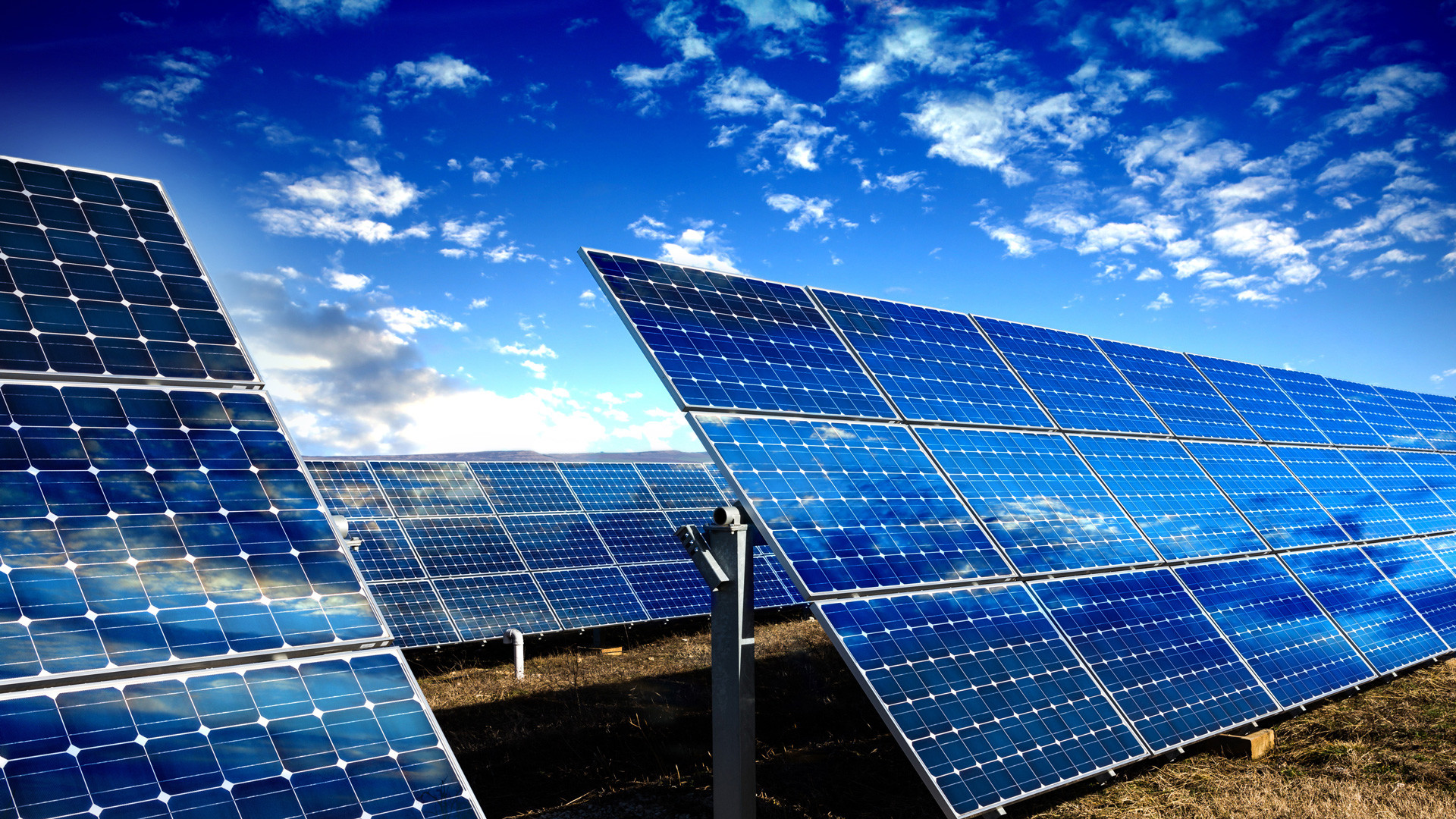
Imagine slashing your electricity bills, reducing your carbon footprint, and powering your home with sunshine. That's the promise of solar energy, but how do you know if it's right for you, and how much solar power do you actually need? Using a Solar Power Calculator in k Wh to Estimate Your Home Energy Needs is the first crucial step towards making an informed decision about this sustainable energy source.
Understanding your energy consumption is paramount, not just for evaluating solar potential, but also for managing your household budget effectively. Electricity costs can be a significant burden, particularly during peak seasons like summer and winter. Improving energy efficiency contributes to financial stability and a more comfortable living environment, keeping homes safer and more enjoyable for everyone.
Try this quick tip today: Unplug electronics and appliances when not in use. Even when turned off, many devices still draw "phantom power," contributing to wasted energy and higher bills.
Calculating Your Home's Energy Needs for Solar Power
The first step in determining whether solar is a viable option for your home is understanding your current energy usage. A Solar Power Calculator in k Wh is a valuable tool for accomplishing this. It helps you translate your energy bills into a concrete estimate of how much solar power you'll need to offset your consumption.
To accurately calculate your home's energy needs for a solar power system, gather your electricity bills from the past 12 months. These bills provide a detailed record of your monthly energy consumption in kilowatt-hours (k Wh). If you don’t have physical copies, most utility companies offer online access to billing statements.
Add up the k Wh used for each month to find your total annual energy consumption. Divide this total by 12 to determine your average monthly energy consumption. This average serves as a baseline for estimating the size of the solar power system you'll need. Keep in mind that energy consumption can vary significantly depending on the season, due to heating, air conditioning, and lighting demands.
Understanding Kilowatt-Hours (k Wh)
A kilowatt-hour (k Wh) is the standard unit of measurement for electricity consumption. One k Wh represents the amount of energy used by a 1,000-watt appliance running for one hour. For example, a 100-watt light bulb burning for 10 hours consumes one k Wh. Understanding k Wh is crucial for interpreting your energy bills and calculating the potential savings from solar energy. Different appliances consume different amounts of energy. Refrigerators, air conditioners, and electric water heaters typically use the most electricity in a household.
Factors Affecting Your Energy Consumption
Several factors can influence your home's energy consumption. The size of your home, the number of occupants, and the efficiency of your appliances all play a role. Climate also has a significant impact, with homes in hotter climates using more energy for air conditioning and homes in colder climates using more energy for heating. Lifestyle habits, such as how often you do laundry or cook, can also affect your energy usage. Considering these factors will provide a more accurate picture when using a Solar Power Calculator in k Wh: Estimate Your Home Energy Needs.
Using Online Solar Power Calculators
Several free online Solar Power Calculators in k Wh can help you estimate your solar energy needs. These calculators typically ask for your location, average monthly electricity bill, and information about your roof, such as its size, orientation, and shading. They then use this data to estimate the size of the solar panel system you'll need to offset your energy consumption. While these calculators offer a good starting point, consulting with a qualified solar installer is essential for a more accurate assessment.
Boosting Energy Efficiency at Home
Before investing in solar panels, it's wise to maximize your home's energy efficiency. Reducing your energy consumption will lower the size and cost of the solar system you need. Many simple and cost-effective measures can significantly reduce your energy bills.
Start by sealing air leaks around windows and doors with weather stripping or caulk. This simple step can prevent drafts and reduce the amount of energy needed to heat or cool your home. Adding insulation to your attic and walls is another effective way to improve energy efficiency, especially in older homes with inadequate insulation. Ensure your HVAC system is running efficiently by regularly changing the air filters and scheduling annual maintenance checks. Consider upgrading to energy-efficient appliances and light bulbs to further reduce your energy consumption.
Investing in a smart thermostat can also help you save energy by automatically adjusting the temperature based on your schedule and preferences. Many smart thermostats offer features such as remote control and energy usage tracking, allowing you to monitor and optimize your energy consumption.
Exploring Energy Assistance Programs
If you're struggling to pay your energy bills, numerous assistance programs are available to help. The Low Income Home Energy Assistance Program (LIHEAP) provides financial assistance to eligible households to help with heating and cooling costs. Eligibility requirements vary by state, but typically include income limits and household size. Contact your local LIHEAP office or visit the Department of Health and Human Services website for more information.
Many utility companies offer their own assistance programs, such as payment plans, budget billing, and energy efficiency rebates. Contact your utility company to learn about the programs available in your area. State and local governments also offer energy assistance programs, often in the form of grants or low-interest loans for energy efficiency upgrades. Check with your state energy office or local community action agency for more information. Weatherization assistance programs can help low-income homeowners improve their home's energy efficiency through measures such as insulation, air sealing, and appliance upgrades. These programs can significantly reduce energy bills and improve indoor comfort.
Addressing Energy-Related Issues for Comfort and Safety
Beyond financial concerns, energy-related issues can also impact your comfort and safety. Drafts and temperature fluctuations can make your home uncomfortable, while poor air quality can exacerbate respiratory problems. Addressing these issues is essential for creating a healthy and comfortable living environment.
Ensure proper ventilation to prevent moisture buildup and improve air quality. Consider investing in an air purifier to remove allergens and pollutants from the air. Regularly inspect your home for signs of mold or mildew, which can indicate moisture problems and pose health risks. Test your home for radon, a naturally occurring radioactive gas that can seep into homes and increase the risk of lung cancer. Contact your local health department for information on radon testing and mitigation. Addressing these energy-related issues contributes to overall well-being and creates a healthier living environment for you and your family.
FAQ Section
How accurate are online Solar Power Calculators in k Wh?
Online calculators provide a general estimate, but accuracy varies based on input data and algorithm complexity. Consult a professional installer for a precise assessment.
What if my energy bills fluctuate significantly throughout the year?
Use an average based on 12 months of bills. A solar installer can factor seasonal variations into system design.
Are there government incentives for installing solar panels?
Yes, the federal government offers a tax credit for solar installations, and many states offer additional incentives, rebates, or tax credits.
Can I go completely off-grid with solar power?
It’s possible, but requires careful planning, battery storage, and possibly a backup generator. Most homeowners remain connected to the grid.
What happens to excess solar energy I generate?
Net metering allows you to send excess energy back to the grid, earning credits on your bill. Specifics vary by utility company.
How long do solar panels typically last?
Most solar panels come with a 25-year performance warranty, guaranteeing they'll produce a certain percentage of their original output for that duration.
Taking the first step towards energy independence with a Solar Power Calculator in k Wh: Estimate Your Home Energy Needs offers potential savings and environmental benefits. Begin by gathering your energy bills and exploring online calculators to get a preliminary understanding of your solar potential.

Post a Comment