
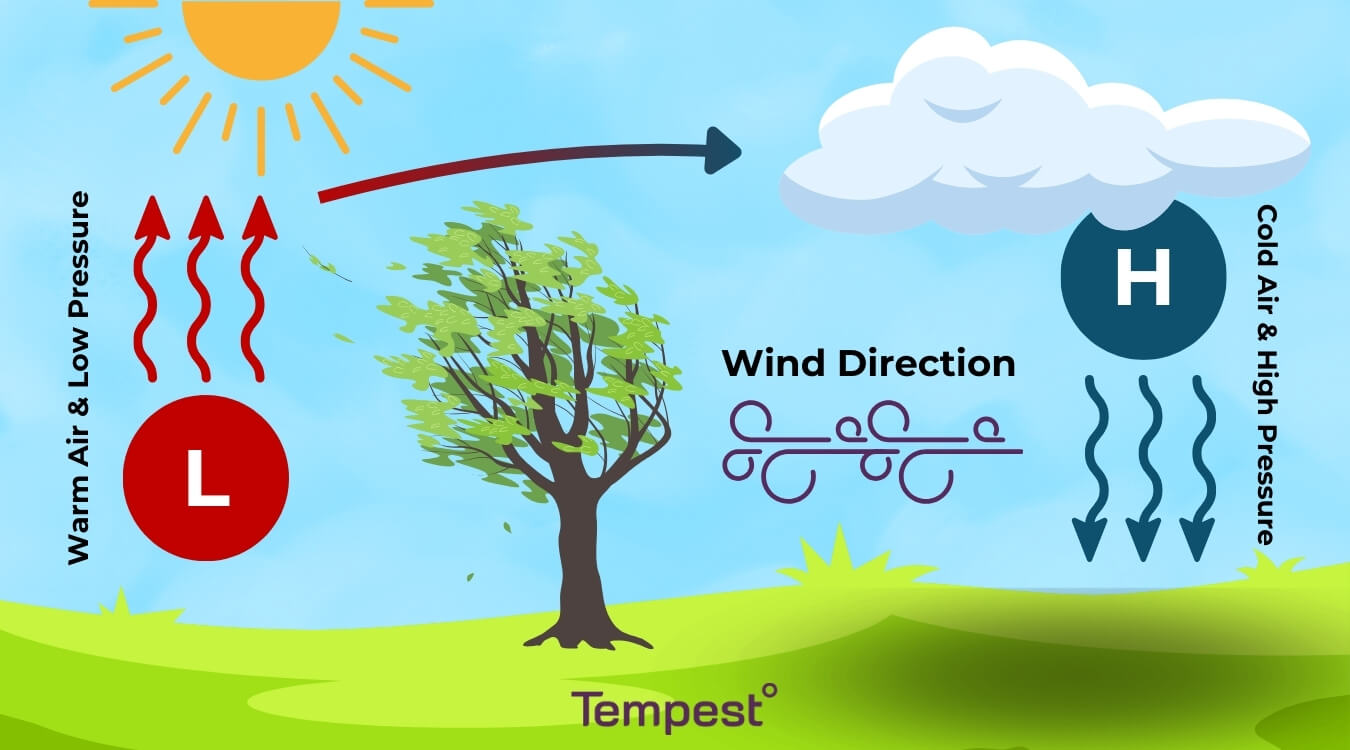
Imagine a future where your home is powered by clean, sustainable energy, significantly reducing your monthly bills and your impact on the planet. The question is, what’s the best way to get there? Two of the most popular renewable energy sources are wind and solar. Deciding between wind power vs solar can seem daunting, but understanding their strengths and weaknesses will empower you to make the best choice for your individual needs and location.
Why should you care about choosing the right renewable energy source? For many families, energy bills are a significant expense, often fluctuating wildly with the seasons. Transitioning to renewable energy offers the potential for long-term savings, increased energy independence, and a smaller carbon footprint. Furthermore, energy-efficient homes are often more comfortable and healthier places to live. A well-insulated, properly ventilated home powered by renewable energy can contribute significantly to your overall well-being.
Start by auditing your current energy usage. Review your past utility bills to identify peak consumption times and areas where you might be wasting energy. Even small changes, like switching to LED lighting or unplugging electronics when not in use, can make a noticeable difference while you consider larger investments.
Wind Power vs Solar: A Head-to-Head Comparison
Choosing between wind power vs solar involves considering several factors, including cost, efficiency, environmental impact, and suitability for your location. Each energy source has its own set of advantages and disadvantages, and the ideal choice will depend on your unique circumstances. Understanding these nuances is crucial for making an informed decision.
Upfront Costs and Long-Term Savings
Solar panels have seen a significant price decrease in recent years, making them a more accessible option for many homeowners. However, the initial investment, including the panels, inverters, and installation costs, can still be substantial. On the other hand, small-scale residential wind turbines can also have a hefty upfront cost, and permitting regulations can be complex, potentially adding to the overall expense.
Long-term, both wind and solar offer the potential for significant savings on your electricity bills. Solar panels generate free electricity during daylight hours, reducing your reliance on the grid. Wind turbines generate power when the wind blows, which can be particularly beneficial during the night and in colder months when solar production is lower. The exact savings will depend on your energy consumption, the size of your system, and local weather conditions. Many states also offer tax credits and rebates that can further reduce the initial cost and improve the return on investment for both technologies.
Efficiency and Energy Output
Solar panel efficiency has steadily improved, with most modern panels converting around 15-20% of sunlight into electricity. Solar energy production is obviously highest during sunny days, but even on cloudy days, panels can still generate a significant amount of power.
The efficiency of wind turbines depends heavily on wind speed. To generate a substantial amount of electricity, a wind turbine needs consistent and strong winds. While some areas are ideal for wind power, others may not have sufficient wind resources to make it a worthwhile investment. Taller towers often capture stronger, more consistent winds, but they also come with higher costs and potential zoning restrictions.
Ultimately, the amount of energy generated by both solar and wind systems will depend on factors such as the size of the system, the location's climate, and the prevailing weather conditions.
Environmental Impact and Sustainability
Both wind and solar are considered clean and sustainable energy sources because they produce electricity without emitting greenhouse gases or air pollutants. However, there are some environmental considerations to keep in mind.
Solar panel manufacturing involves the use of certain materials, and the disposal of old panels can pose a challenge. However, recycling programs are being developed to address this issue. Wind turbines can have a visual impact on the landscape, and there have been concerns about their impact on bird and bat populations. Careful siting and advancements in turbine design are helping to minimize these effects.
Overall, the environmental benefits of wind and solar far outweigh their potential drawbacks, making them both valuable tools in the fight against climate change.
Understanding Your Energy Needs and Options
Before investing in either wind or solar power, it's essential to understand your current energy consumption and explore ways to improve your home's energy efficiency. This will not only reduce your energy bills but also help you determine the optimal size of a renewable energy system.
Consider conducting a home energy audit. Many utility companies offer free or low-cost audits that can identify areas where your home is losing energy. Common issues include inadequate insulation, leaky windows and doors, and inefficient appliances. Addressing these problems can significantly reduce your energy consumption and improve your home's comfort.
Exploring Local Energy Assistance Programs
If you're struggling to pay your energy bills, several assistance programs can help. The Low Income Home Energy Assistance Program (LIHEAP) provides financial assistance to eligible households to help with heating and cooling costs. Eligibility requirements vary by state, but generally, the program is available to low-income families, seniors, and individuals with disabilities. Contact your local LIHEAP office to learn more about eligibility requirements and how to apply.
Many utility companies also offer their own assistance programs, such as payment plans, budget billing, and energy efficiency programs. Contact your utility company to inquire about available options. Additionally, some non-profit organizations and community groups offer assistance to families in need.
Optimizing Home Comfort and Energy Efficiency
In addition to addressing energy-related financial concerns, improving your home's energy efficiency can also enhance your comfort and well-being. Ensure your home is properly insulated to prevent heat loss in the winter and heat gain in the summer. Seal any cracks or gaps around windows and doors to prevent drafts. Consider upgrading to energy-efficient appliances, such as refrigerators, washing machines, and dishwashers.
Install a smart thermostat to automatically adjust the temperature based on your schedule and preferences. This can help you save energy without sacrificing comfort. Finally, consider using energy-efficient lighting, such as LED bulbs, which use significantly less energy than traditional incandescent bulbs.
Making the Right Choice: Wind or Solar?
Ultimately, the best choice between wind power vs solar depends on your individual circumstances. Solar is generally a more suitable option for homeowners in sunny climates with relatively low wind speeds. It's also a good choice for those who want a relatively simple and low-maintenance system.
Wind power may be a better option for homeowners in areas with consistently high wind speeds. It can also be a good choice for those who want to generate electricity at night or during the winter months when solar production is lower. However, it's important to carefully assess the wind resources at your location and consider potential zoning restrictions before investing in a wind turbine.
Consider consulting with a qualified renewable energy installer to assess your specific needs and help you determine the best option for your home. They can provide a detailed analysis of your energy consumption, assess your site's suitability for wind or solar, and provide you with a cost estimate.
Frequently Asked Questions
What happens to my solar or wind energy if I don't use it all?
Most solar and wind systems are grid-tied, meaning excess energy is sent back to the utility grid. You'll typically receive credit on your bill for this excess energy, known as net metering. This effectively allows you to "store" your excess energy on the grid and use it later when you need it.
How long do solar panels and wind turbines last?
Solar panels typically have a lifespan of 25-30 years, with most manufacturers offering warranties of at least 25 years. Wind turbines typically last for 20-25 years, but regular maintenance is essential to ensure optimal performance and longevity.
Are there any government incentives for installing renewable energy systems?
Yes, the federal government offers a tax credit for homeowners who install solar, wind, or other renewable energy systems. Many states and local governments also offer additional incentives, such as tax credits, rebates, and grants. Check with your state energy office or a qualified renewable energy installer to learn more about available incentives in your area.
Can I install a solar or wind system myself?
While it's technically possible to install a solar or wind system yourself, it's generally recommended to hire a qualified professional. Improper installation can be dangerous and may void warranties. A professional installer will ensure that the system is installed correctly and safely, and they can also handle permitting and interconnection with the utility grid.
Will adding solar panels or a wind turbine increase my property value?
Studies have shown that homes with solar panels generally sell for more than comparable homes without solar. While the impact on property value can vary depending on location and market conditions, renewable energy systems are generally seen as a positive addition to a home.
What happens during a power outage if I have solar panels?
Most grid-tied solar systems are designed to automatically shut down during a power outage to protect utility workers. To have power during an outage, you'll need a battery backup system. This allows you to store excess solar energy and use it to power your home when the grid is down.
The path to a greener, more sustainable future begins with informed choices. Take the first step today by researching local renewable energy installers and scheduling a consultation. Explore your options, understand the potential benefits, and embrace the power of wind and solar to create a brighter future for yourself and the planet.

Post a Comment