
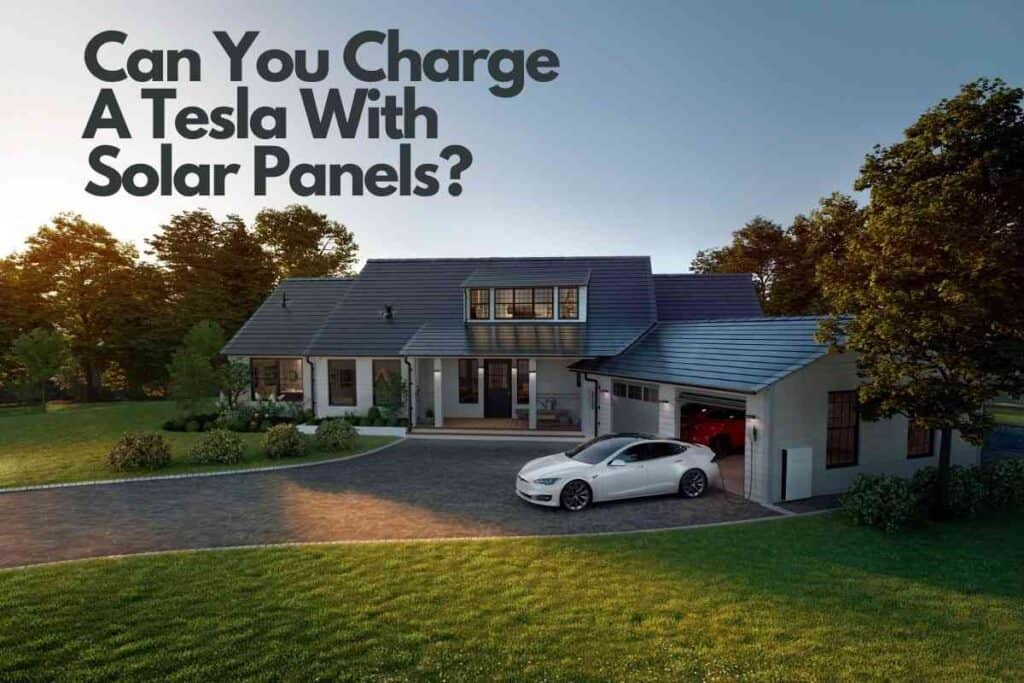
Imagine pulling into your driveway, plugging in your Tesla, and knowing that the sun is already hard at work providing the power you need for your next trip – and significantly reducing your energy bill. For many Tesla owners, the dream of charging their car with clean, renewable solar energy is becoming a reality. But how many solar panels does it take to charge a Tesla effectively? The answer depends on several factors, from your driving habits to the efficiency of your solar panels, and even the weather in your area.
The question of how many solar panels you need to power your Tesla is more than just a matter of environmental consciousness; it's also about household economics. Electricity costs are rising, and the ability to generate your own power provides a buffer against volatile energy markets. Furthermore, understanding your home’s energy consumption and how solar panels can offset it can lead to significant long-term savings. Making your home as energy efficient as possible, and powering your vehicle from the sun, is becoming a financially smart choice.
One simple, immediate tip? Check your Tesla app or car display for your average daily energy consumption. Knowing this baseline is the first step to understanding your solar needs and the potential impact on your energy costs.
Calculating Solar Panel Needs for Your Tesla
Figuring out how many solar panels it takes to charge a Tesla involves a bit of math, but don't worry, we'll break it down. The key is understanding your Tesla’s energy consumption, your solar panel system’s production capacity, and how much sun your location receives.
First, determine your Tesla's energy consumption. A Tesla's energy consumption is measured in kilowatt-hours (k Wh) per mile. This figure varies depending on the model, driving conditions, and how aggressively you drive. Check your car’s display or app for your average consumption. For instance, let’s say your Tesla uses 0.3 k Wh per mile, and you drive 30 miles per day. That’s 9 k Wh per day (0.3 k Wh/mile x 30 miles).
Next, you need to account for your home’s electricity usage in addition to the needs of your Tesla. Consider the daily energy consumption of your appliances, lighting, heating, and cooling. Adding all of this together will give you a more accurate picture of your total energy requirements and the size of the solar panel system you'll need.
Finally, you need to account for seasonal fluctuations. During the summer, many homeowners see spikes in energy bills due to increased air conditioner use. If you live in colder climates, you may also need supplemental heat during the winter months. Understanding your home’s historical energy consumption, which can be found on your energy bills or by contacting your utility provider, is essential for accurately sizing your solar panel system.
How Many Solar Panels Do You Need?
Let's say a typical solar panel produces around 300-400 watts of power under ideal conditions. However, real-world production can vary due to factors like panel angle, shading, and weather. To estimate the number of panels you need, you’ll need to factor in your location’s solar irradiance, or the amount of sunlight it receives. This data is readily available online through resources like the National Renewable Energy Laboratory (NREL).
To determine how many solar panels you need to offset the 9 k Wh per day for your Tesla (from our example above), and assuming each panel produces 1.5 k Wh per day on average (accounting for real-world conditions), you would need about 6 solar panels (9 k Wh /
1.5 k Wh/panel = 6 panels). Keep in mind this doesn't include your regular household electrical needs. It's always best to work with a qualified solar installer to get a custom estimate based on your specific situation.
Understanding Solar Panel Efficiency and Costs
Not all solar panels are created equal. Panel efficiency refers to how well a solar panel converts sunlight into electricity. Higher efficiency panels generate more power from the same surface area, meaning you need fewer panels to meet your energy needs. Monocrystalline panels are generally more efficient than polycrystalline panels, though they also tend to be more expensive. The panel's efficiency rating will be found in its specifications.
The cost of solar panel installation varies depending on several factors, including the size of the system, the type of panels used, and the complexity of the installation. Solar panel installation costs typically range from $3 to $5 per watt. So, a 6k W (6,000-watt) system could cost between $18,000 and $30,000 before incentives or rebates.
Fortunately, there are several financial incentives available to help offset the cost of solar panel installation. The federal solar tax credit allows you to deduct a percentage of the cost of your solar panel system from your federal taxes. Many states and local governments also offer rebates, tax credits, and other incentives to encourage solar adoption. Be sure to research the incentives available in your area to reduce your upfront costs.
Maximizing Your Solar Investment
Consider enrolling in your utility’s net metering program. Net metering allows you to send excess solar energy back to the grid in exchange for credits on your electricity bill. This can significantly reduce your energy costs and even result in a net-zero electricity bill. Contact your utility company to learn more about their net metering policies and eligibility requirements.
Energy Efficiency Tips for a Lower Carbon Footprint
Before investing in solar panels, consider ways to reduce your overall energy consumption. Energy efficiency measures not only lower your electricity bill but also reduce the number of solar panels you need to power your Tesla and your home.
Start with simple, low-cost improvements, such as replacing incandescent light bulbs with LED bulbs. LED bulbs use up to 75% less energy and last much longer than incandescent bulbs. Sealing drafts around windows and doors can also significantly reduce heat loss in the winter and heat gain in the summer, lowering your heating and cooling costs. You can use weather stripping and caulk to seal gaps and cracks.
Next, consider upgrading your appliances to energy-efficient models. Look for the Energy Star label when purchasing new appliances, such as refrigerators, washing machines, and dishwashers. Energy Star appliances are designed to use less energy and water, saving you money and reducing your environmental impact. A smart thermostat can also help you optimize your heating and cooling usage. Smart thermostats learn your preferences and adjust the temperature automatically based on your schedule and occupancy. You can also control them remotely via your smartphone.
Finally, make sure your home is properly insulated. Adequate insulation in your attic, walls, and floors can significantly reduce heat loss and gain, keeping your home comfortable year-round and lowering your energy bills. Insulation is rated by its R-value, which measures its resistance to heat flow. The higher the R-value, the better the insulation.
Where Can I Find Energy Assistance?
If you are struggling to pay your energy bills, several resources are available to help. The Low Income Home Energy Assistance Program (LIHEAP) provides financial assistance to low-income households to help them pay their heating and cooling bills. Eligibility requirements and benefit levels vary by state. Contact your local LIHEAP agency for more information and to apply.
Many utility companies also offer payment assistance programs, such as payment plans, budget billing, and energy efficiency programs. Contact your utility company to learn about the programs available in your area. In addition, numerous non-profit organizations and community groups offer energy assistance and weatherization services to low-income households. Contact your local community action agency or United Way for more information.
FAQ About Solar Panels and Tesla Charging
Will solar panels increase my home's value?
Yes, studies have shown that homes with solar panel systems generally have a higher resale value than homes without them. Buyers are often willing to pay a premium for homes with solar panels because they offer lower energy bills and environmental benefits.
How long do solar panels last?
Most solar panels come with a 25-year performance warranty. While the output of the panels might decrease slightly over time, they should still be producing a significant amount of electricity after 25 years.
Can I charge my Tesla at night if I have solar panels?
If you have a battery storage system, you can store excess solar energy generated during the day and use it to charge your Tesla at night. Otherwise, you'll be relying on grid power to charge your Tesla at night.
What happens if my solar panels produce more energy than I need?
If you are connected to the grid, you can typically sell excess solar energy back to the utility company through a net metering program. This will result in credits on your electricity bill.
Do I need a special charger for my Tesla when using solar panels?
No, you can use the same Tesla charger that you would use to charge from the grid. The solar panels simply provide the electricity to power the charger.
Can I install solar panels myself?
While it is possible to install solar panels yourself, it is generally recommended to hire a qualified solar installer. Solar panel installation involves electrical work and roof modifications, which can be dangerous if not done properly. A professional installer will also ensure that your system meets all local codes and regulations.
Taking the first step toward powering your Tesla with the sun can feel like a big decision, but the potential rewards – both financial and environmental – are significant. Start by assessing your current energy consumption, research local solar incentives, and get quotes from reputable installers. By taking these steps, you'll be well on your way to enjoying the benefits of clean, renewable energy and a greener way to fuel your drive.

Post a Comment