
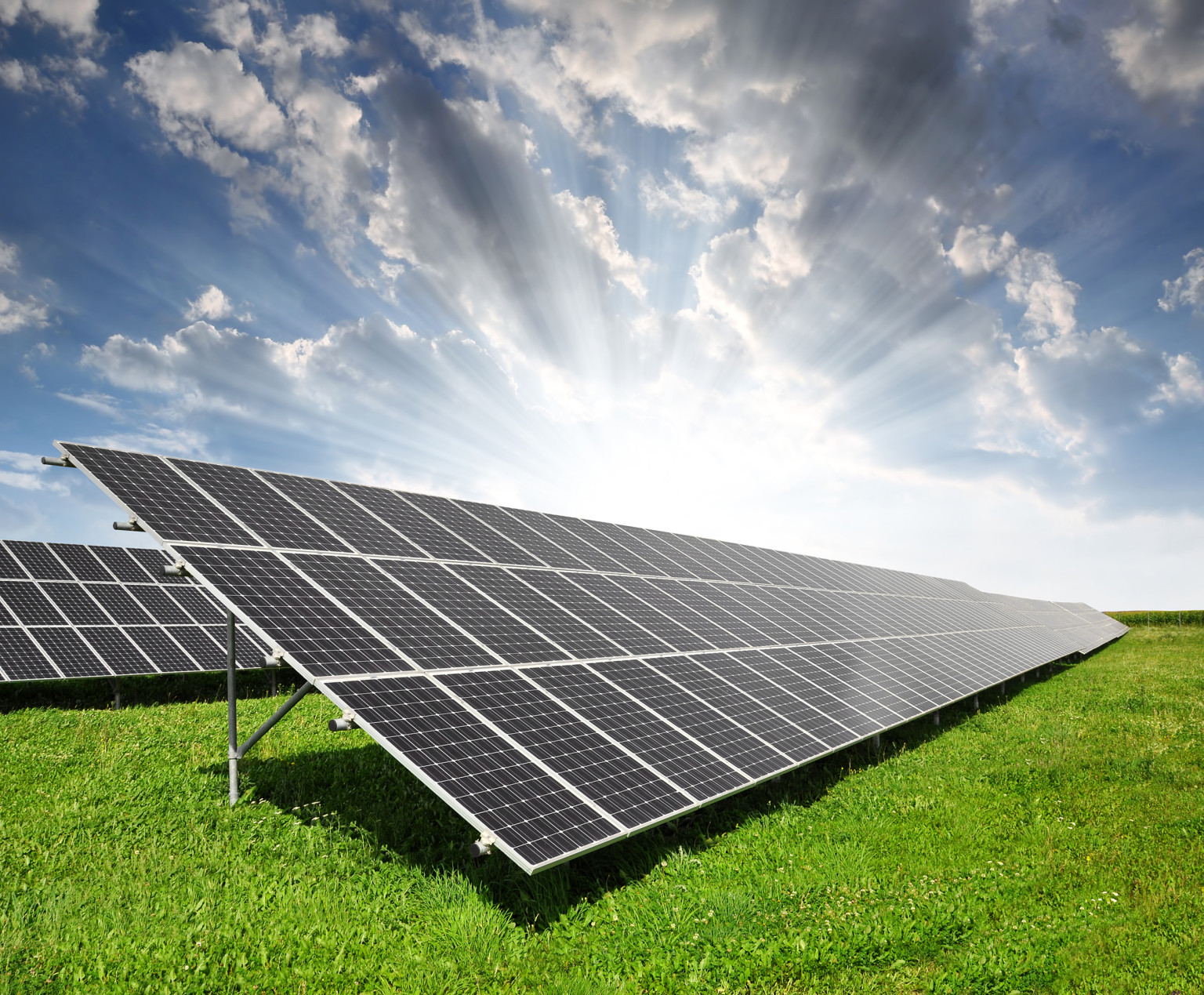
Imagine waking up each morning knowing your home is powered by the sun, that radiant, ever-present source of energy. It’s a comforting thought, especially when you consider rising electricity costs and the impact traditional energy sources have on our planet. But is it really that simple? Is solar a renewable resource? Here’s the straight answer, along with practical steps you can take to harness the sun’s power and save money.
The question of whether solar energy truly is renewable is more crucial than ever. Understanding the answer directly impacts household budgets, long-term energy independence, and the overall well-being of our communities. By grasping the nuances of solar power, homeowners and renters alike can make informed decisions about their energy consumption and contribute to a more sustainable future.
Today, take a look at your energy bill. What’s the biggest expense? Heating, cooling, appliances? Identifying your primary energy drain will help you prioritize where to focus your solar efforts, even if it's just starting small by using solar-powered chargers for your devices.
Is Solar a Renewable Resource? Here’s the Straight Answer
Yes, solar energy is unequivocally a renewable resource. The sun is a virtually inexhaustible source of energy. Unlike fossil fuels, which are finite and take millions of years to replenish, solar energy is constantly being replenished as long as the sun continues to shine. This makes solar power a sustainable alternative for generating electricity and reducing our reliance on non-renewable energy sources. Solar panels capture sunlight and convert it into electricity, a process that can significantly reduce your carbon footprint and lower your monthly utility bills.
It's essential to differentiate solar energy from the materials used to create solar panels. The panels themselves do have a lifespan and require responsible disposal, but the energy source they utilize is, without a doubt, renewable.
Understanding the Lifecycle of Solar Panels
The renewable aspect of solar energy hinges on the continuous availability of sunlight. However, the manufacturing, transportation, and disposal of solar panels themselves involve resources and energy. The lifecycle of a solar panel includes:
1.Manufacturing: Producing solar panels requires raw materials like silicon, which is abundant but requires energy to process.
2.Operation: This is where the renewable aspect shines. During their operational lifespan (typically 25-30 years), solar panels generate electricity with minimal environmental impact, relying solely on sunlight.
3.Decommissioning and Recycling: At the end of their lifespan, solar panels need to be responsibly recycled to recover valuable materials and minimize waste. This is an area of ongoing improvement, with advancements in recycling technologies making the process more efficient and environmentally friendly.
The Environmental Benefits of Solar Energy
Switching to solar energy can have a profound impact on the environment. Here's how: Reduced Greenhouse Gas Emissions: Solar power significantly reduces our reliance on fossil fuels, which are the primary source of greenhouse gas emissions contributing to climate change. Cleaner Air: Unlike coal-fired power plants, solar energy production doesn't release harmful pollutants into the air, improving air quality and reducing respiratory problems. Water Conservation:Solar power requires significantly less water than traditional power generation methods, conserving this precious resource.
Solar Energy and Home Energy Savings
Adopting solar energy can lead to substantial savings on your home energy bills. While the initial investment in solar panel installation can be significant, the long-term benefits often outweigh the costs. Here are some ways solar energy can save you money: Lower Electricity Bills: Generating your own electricity with solar panels reduces your reliance on the grid, lowering your monthly electricity bills. In some cases, you can even eliminate them altogether. Net Metering: Many utility companies offer net metering programs, which allow you to sell excess solar energy back to the grid for credit on your bill. Tax Credits and Incentives:Federal, state, and local governments offer various tax credits, rebates, and other incentives to encourage solar energy adoption, further reducing the overall cost. For example, the federal solar tax credit can significantly reduce the initial cost of installing a solar panel system.
Making Solar Energy Accessible: Programs and Resources
Even if a full solar panel installation seems out of reach right now, there are smaller steps you can take to incorporate solar into your life and reduce your energy consumption. Many regions also offer programs and resources to help homeowners and renters access affordable solar energy solutions.
Consider starting with solar-powered garden lights or a solar charger for your phone. These small investments help you get accustomed to solar energy and see the benefits firsthand. For those who qualify, programs like LIHEAP (Low Income Home Energy Assistance Program) can assist with energy costs and weatherization, which can improve the efficiency of your home and make it easier to utilize solar energy effectively. Contact your local LIHEAP office or visit the Department of Energy's website to check your eligibility.
Furthermore, explore community solar programs, which allow you to subscribe to a solar farm and receive credits on your electricity bill without installing panels on your property. This is an excellent option for renters or homeowners who cannot install solar panels due to space limitations or other restrictions.
Optimizing Your Home for Solar Efficiency
Before investing in solar panels, it's wise to ensure your home is as energy-efficient as possible. This maximizes the benefits of solar energy and reduces your overall energy consumption.
Start with a home energy audit to identify areas where energy is being wasted. This can be done professionally or through a DIY assessment. Common areas of energy loss include: Poor Insulation: Insufficient insulation in attics, walls, and floors allows heat to escape in the winter and enter in the summer, increasing your heating and cooling costs. Adding insulation is a relatively inexpensive way to significantly improve your home's energy efficiency. Drafty Windows and Doors: Seal any cracks or gaps around windows and doors with weather stripping or caulk to prevent drafts. Consider upgrading to energy-efficient windows and doors for even greater savings. Inefficient Appliances:Replace old, inefficient appliances with Energy Star-certified models. These appliances use less energy and can save you money over their lifespan.
Also, consider installing a smart thermostat to automatically adjust the temperature based on your schedule and preferences, optimizing energy usage and comfort. Regular HVAC maintenance, including cleaning or replacing filters, also significantly improves your system's efficiency.
Recognizing Energy-Related Problems and Seeking Help
Sometimes, high energy bills are a sign of underlying problems with your home's energy systems. Being aware of these signs can help you take prompt action and prevent further issues.
Pay attention to warning signs such as: Sudden spikes in your energy bill: This could indicate a malfunctioning appliance, a leak in your ductwork, or other hidden energy drains. Uneven heating or cooling: If some rooms are significantly warmer or colder than others, it could be due to poor insulation, leaky ductwork, or a malfunctioning HVAC system. Drafts and cold spots: These indicate air leaks that are allowing heat to escape and cold air to enter. Condensation on windows: This could be a sign of high humidity levels and poor ventilation, which can lead to mold growth and other problems.
If you notice any of these signs, contact a qualified professional to inspect your home's energy systems and identify the source of the problem. Many utility companies offer energy audits and other services to help you improve your home's energy efficiency. If you're struggling to pay your energy bills, contact your local utility company or a non-profit organization for assistance. They can provide information about payment plans, energy assistance programs, and other resources.
FAQ: Solar Energy and Renewability
Is solar energy truly limitless?
While the sun won't last forever, for all practical human purposes, solar energy is virtually limitless. The sun is expected to continue shining for billions of years, providing a constant source of renewable energy.
What happens to solar panels at the end of their lifespan?
Solar panels can be recycled to recover valuable materials like silicon, aluminum, and glass. Advancements in recycling technologies are making the process more efficient and environmentally friendly, reducing waste and conserving resources.
Are there any environmental concerns associated with solar energy?
The manufacturing of solar panels does involve some environmental impact, including the use of energy and resources. However, the overall environmental benefits of solar energy, including reduced greenhouse gas emissions and air pollution, far outweigh these concerns.
Is solar energy a viable option in cloudy climates?
Yes, solar energy can still be effective in cloudy climates. While solar panels produce less electricity on cloudy days, they still generate power. Furthermore, advancements in solar panel technology are making them more efficient in low-light conditions.
How can I determine if my home is suitable for solar panels?
A professional solar installer can assess your home's suitability for solar panels by considering factors such as roof orientation, shading, and energy consumption. They can also provide information about available incentives and financing options.
Can renters benefit from solar energy?
Yes, renters can benefit from solar energy through community solar programs or by using portable solar chargers and other small-scale solar devices.
Taking a step toward solar energy, no matter how small, is a powerful move. Contact your local utility company today to inquire about energy audits and available rebates for energy-efficient appliances. Discovering the possibilities in your own home is the best way to harness the sun’s renewable power.

Post a Comment